Belt Conveyor
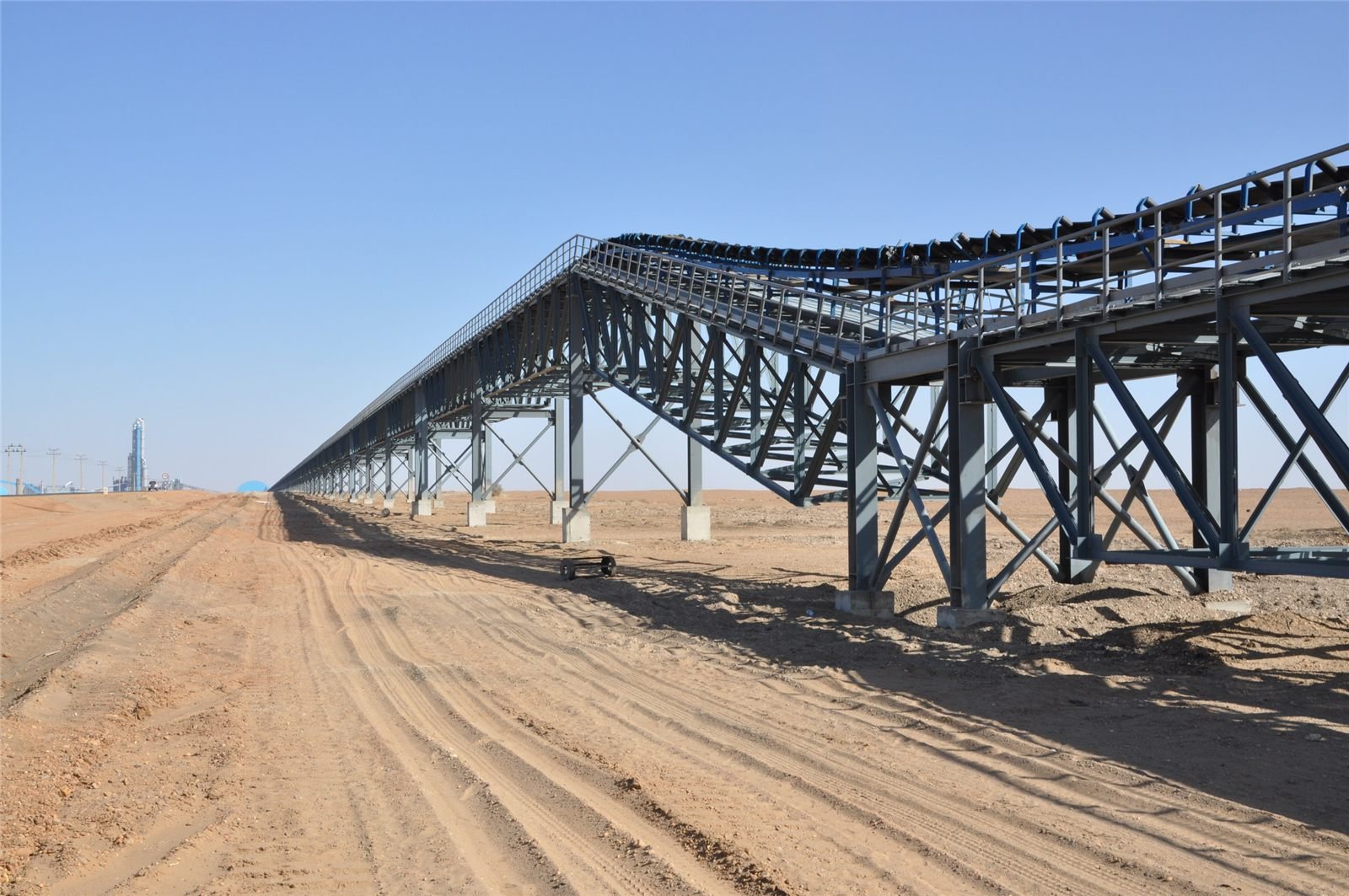
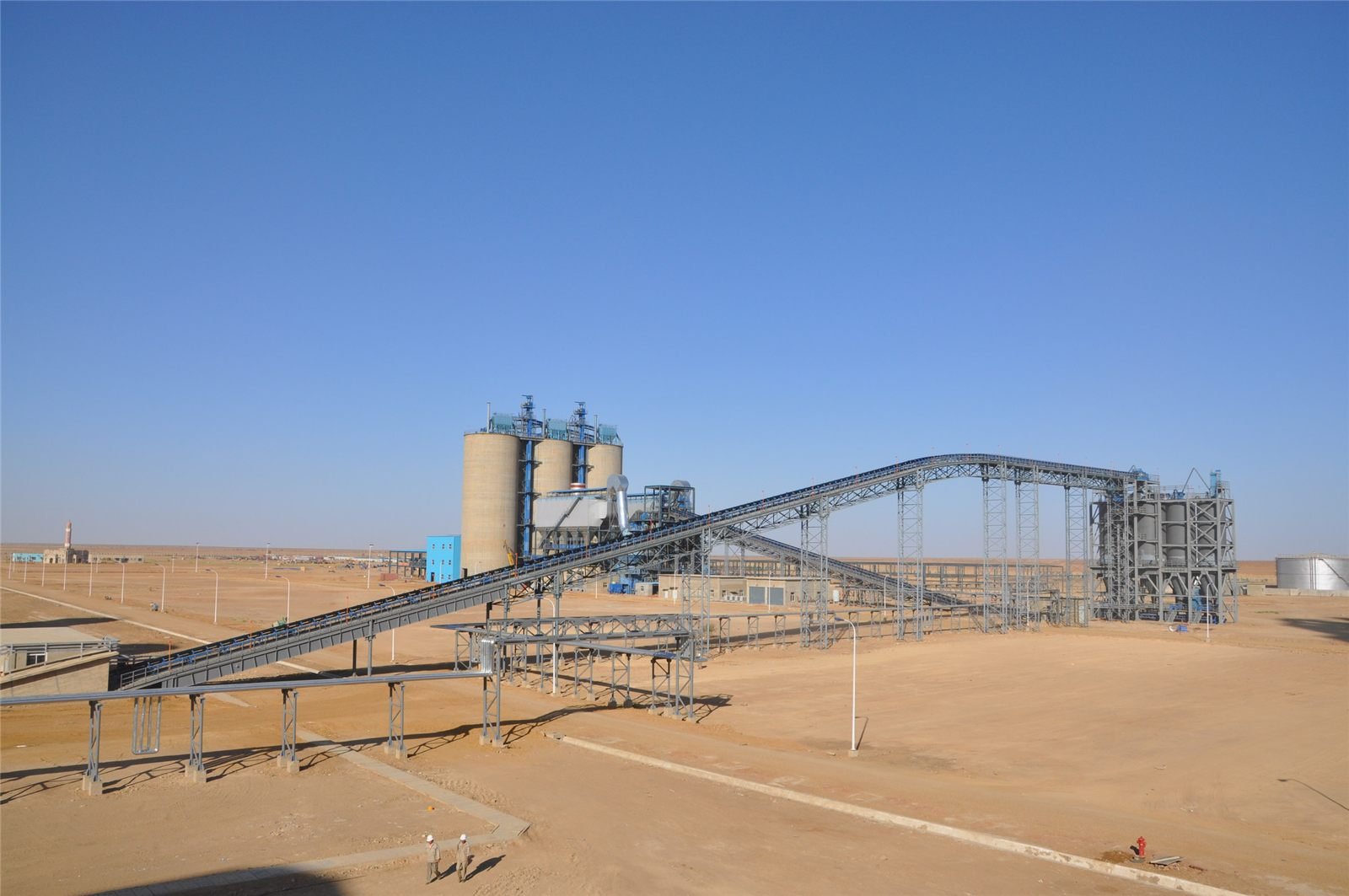
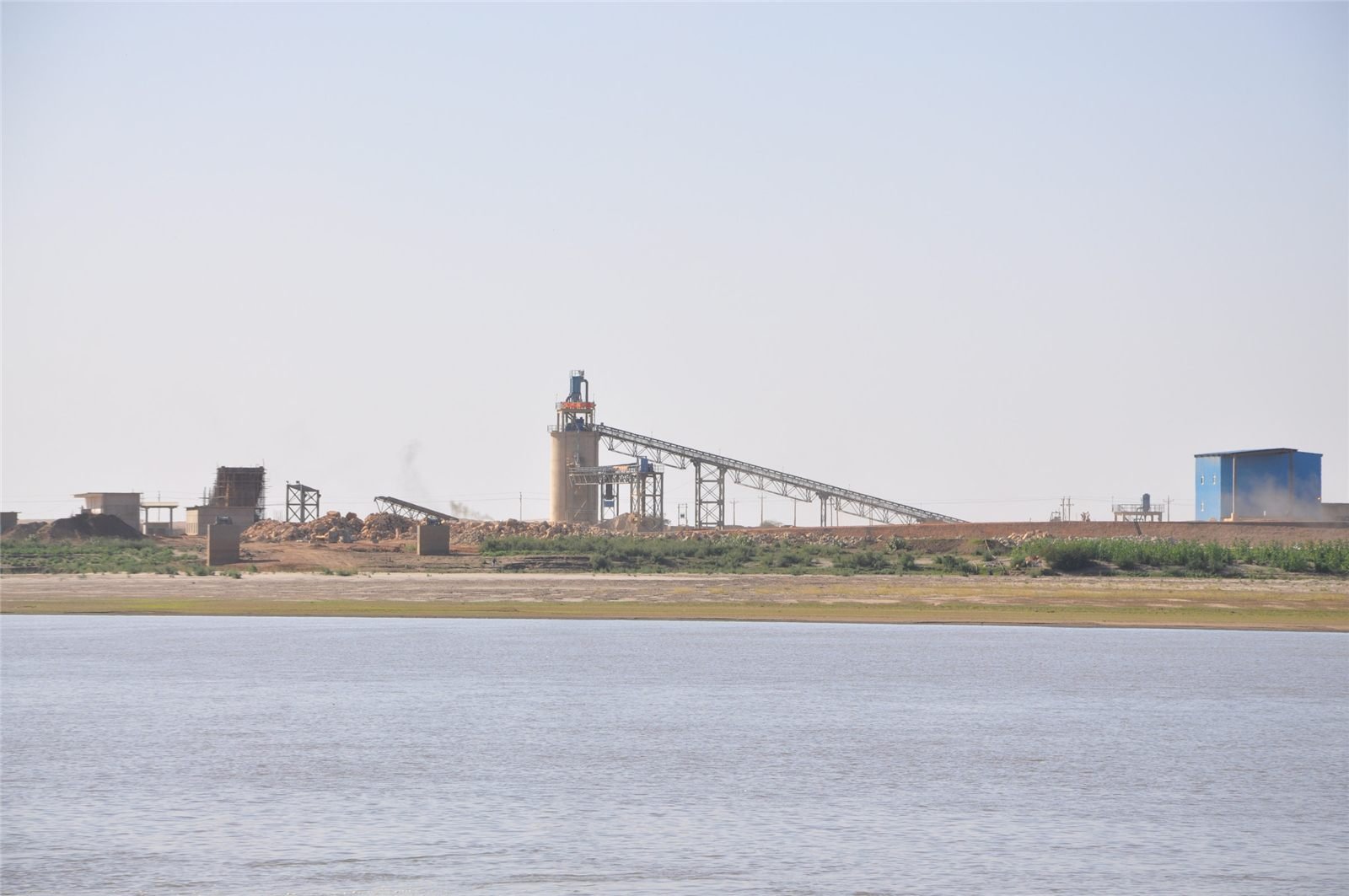
Belt conveyors move bulk materials between processing and storage areas over short or long distances. The belt, structure and drive are selected to suit the material, route and required capacity.
FITS Product Range
Conveying, feeding and supporting equipment used throughout cement production lines.
13 categories
Belt conveyors move bulk materials between processing and storage areas over short or long distances. The belt, structure and drive are selected to suit the material, route and required capacity.
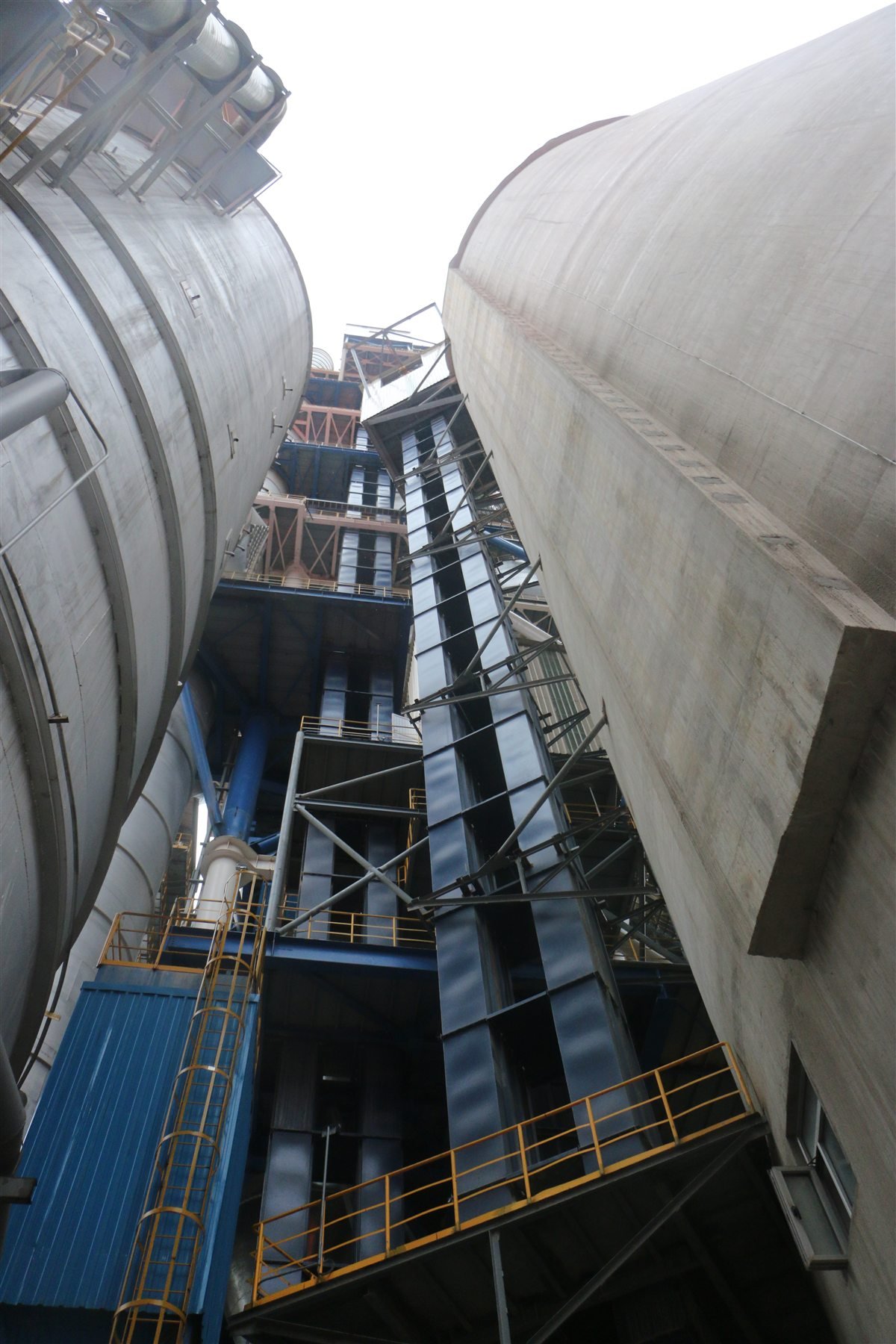
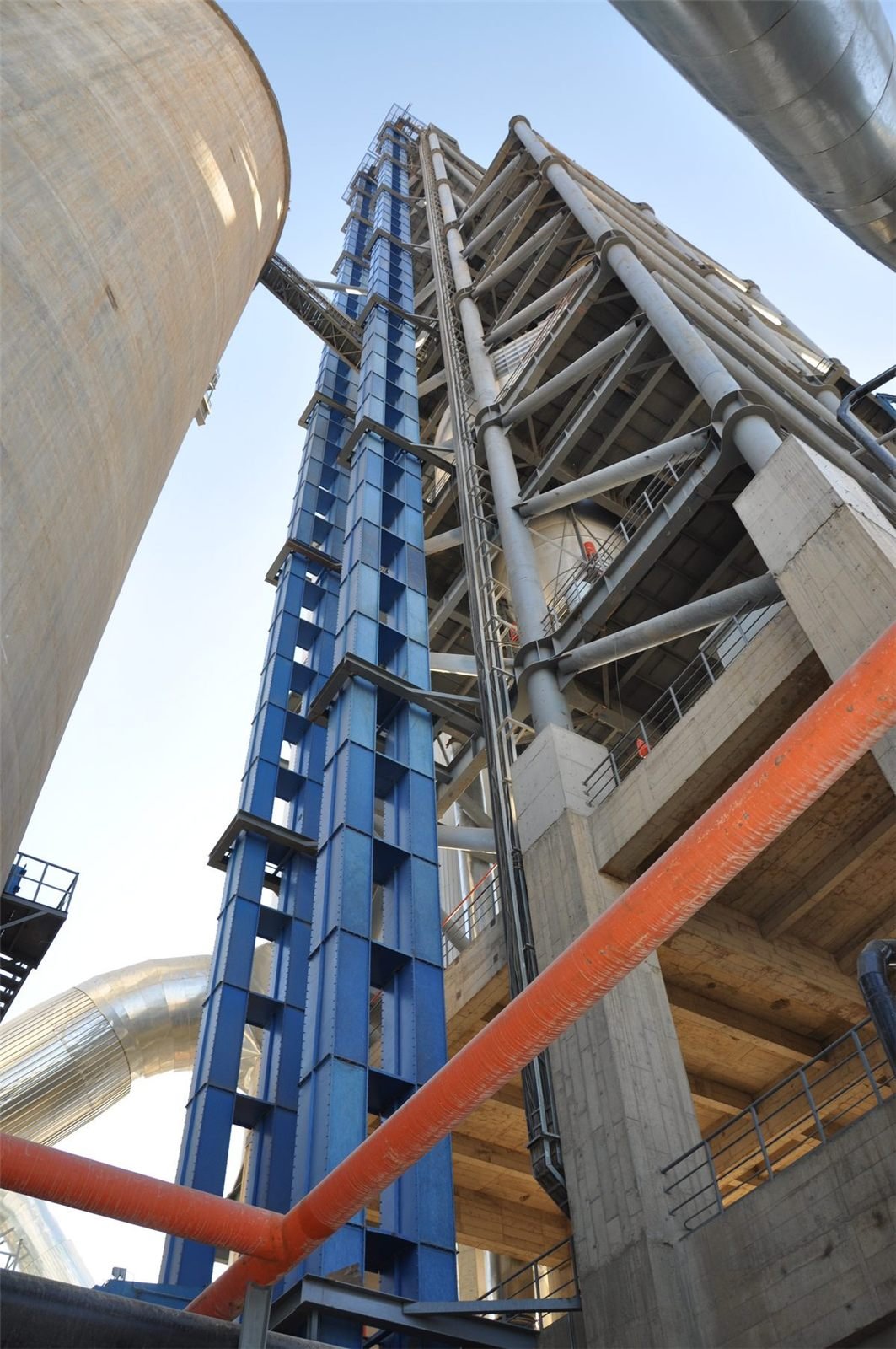
Bucket elevators lift bulk materials vertically using buckets attached to a belt or chain. They connect equipment at different elevations throughout cement production and storage systems.
Illustration
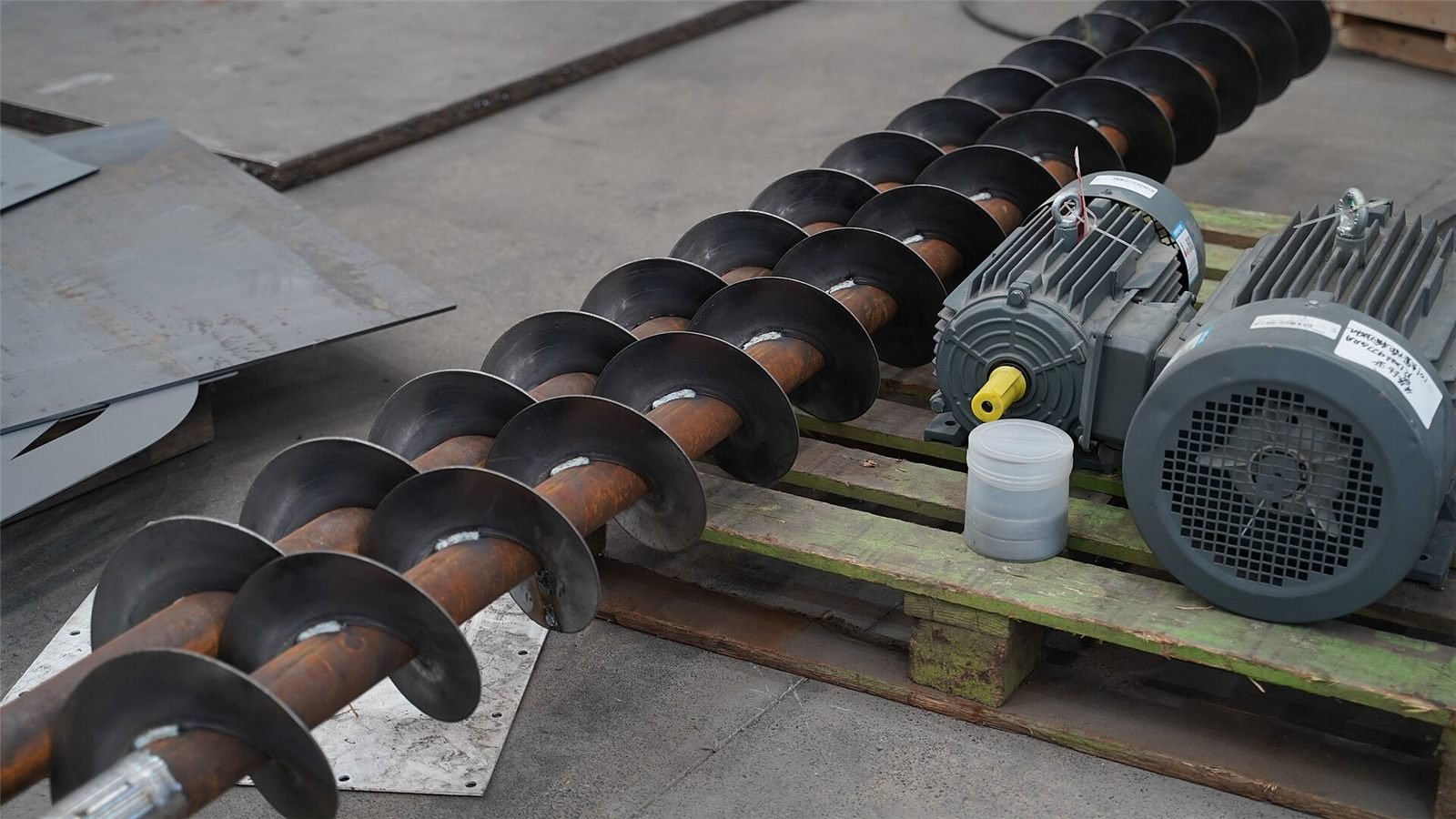
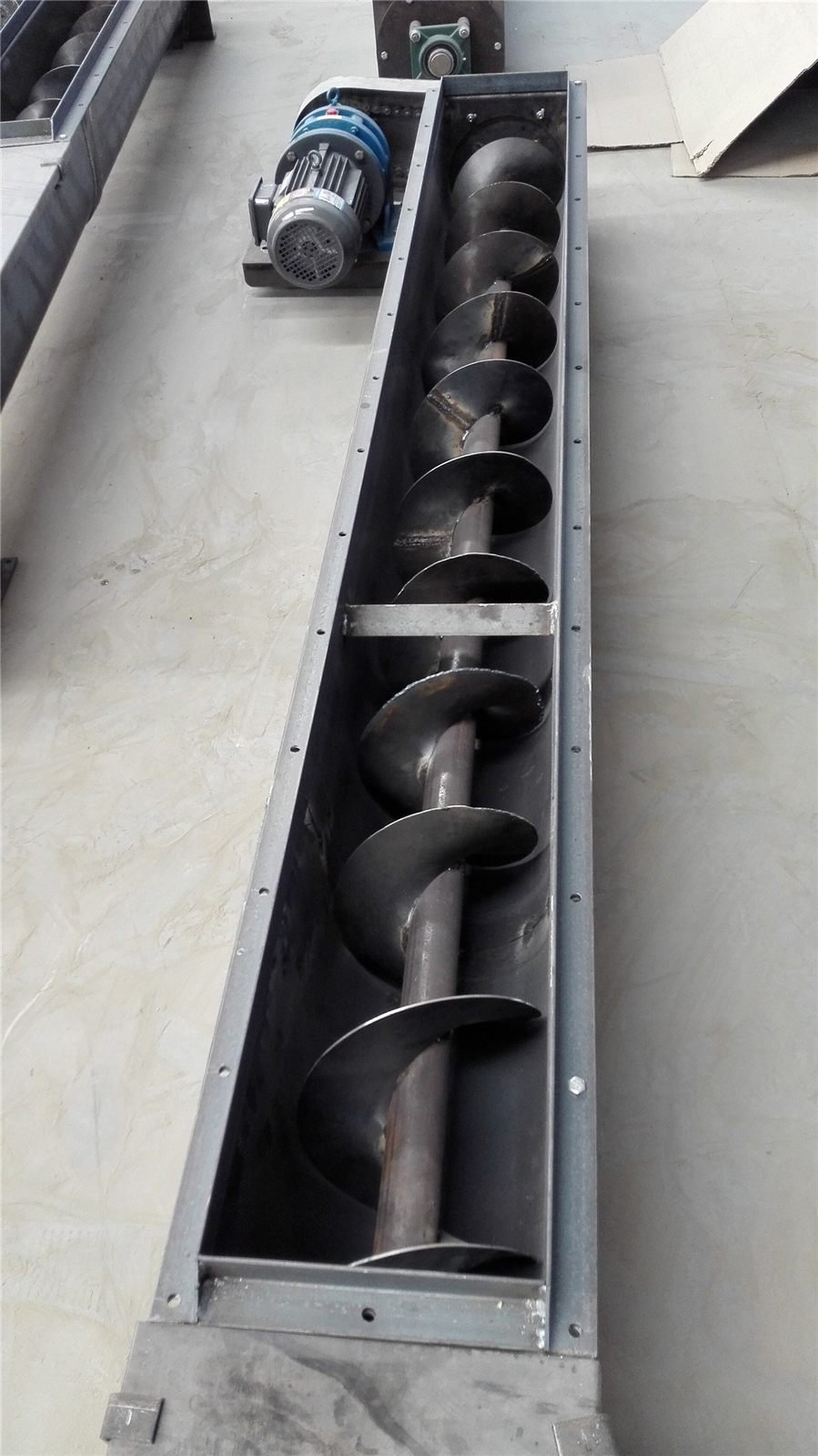
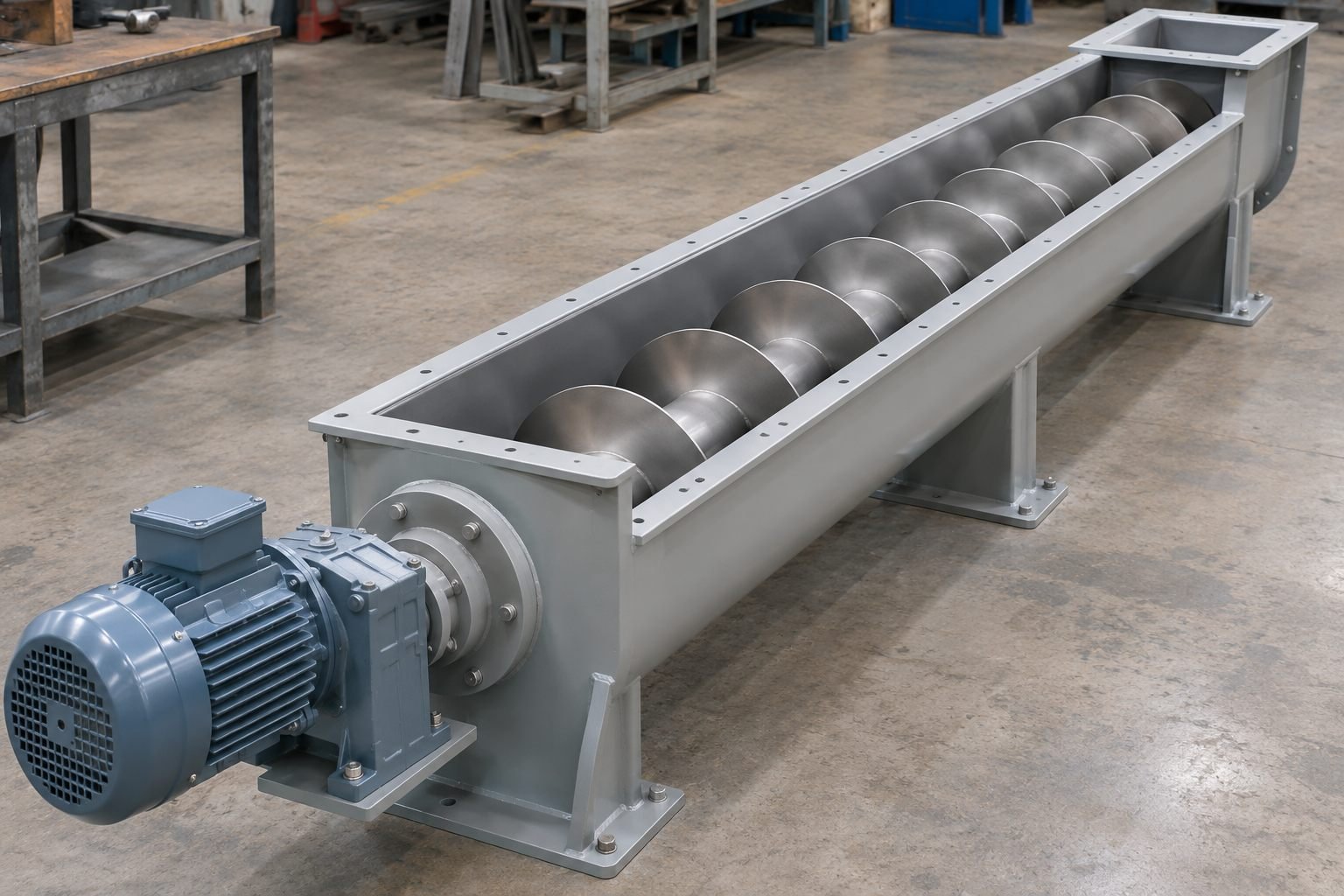
Screw conveyors use a rotating helical flight to move powder or granular material through a trough or tube. They are commonly used for controlled transfer over relatively short distances.
Illustration
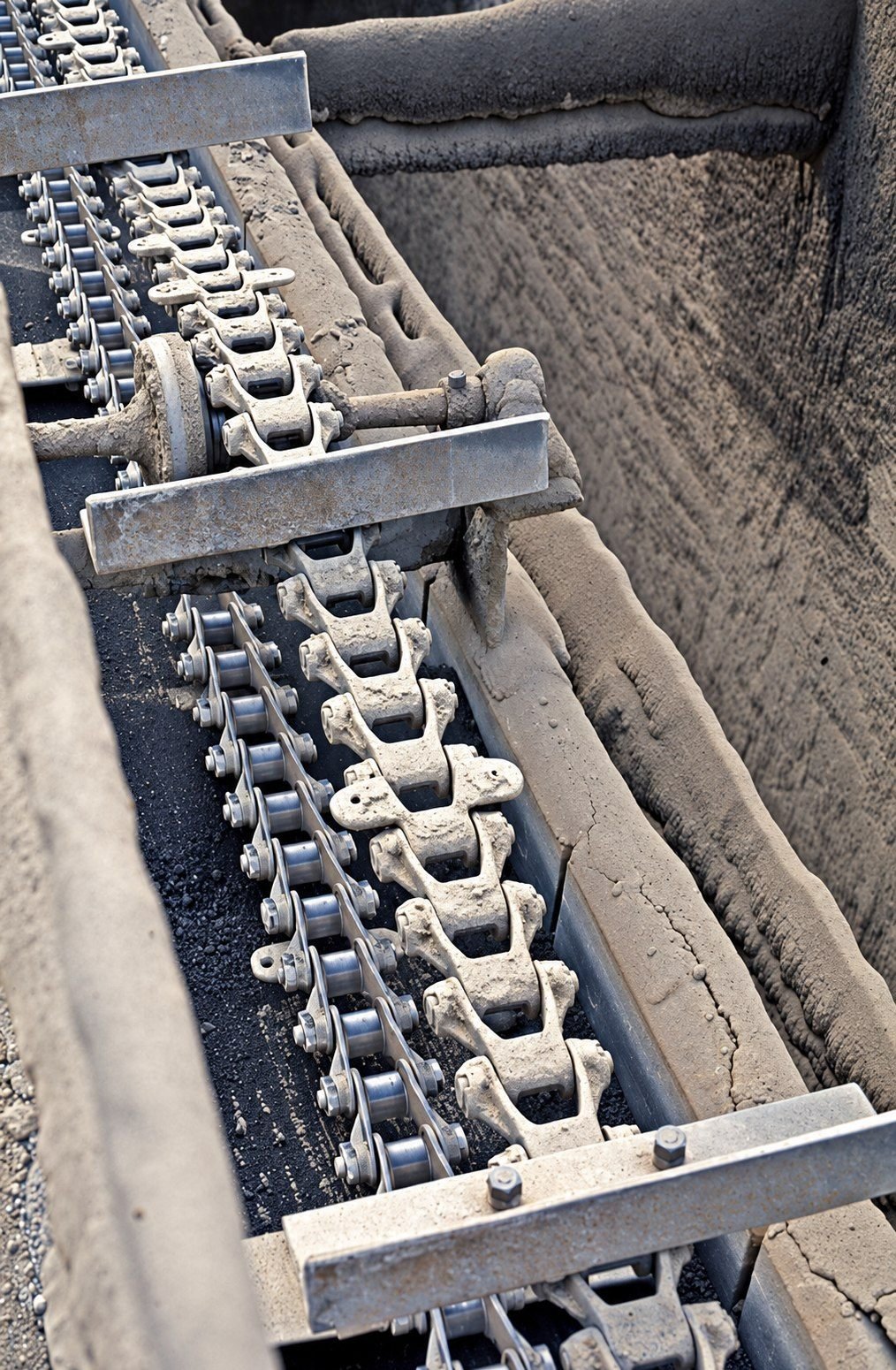
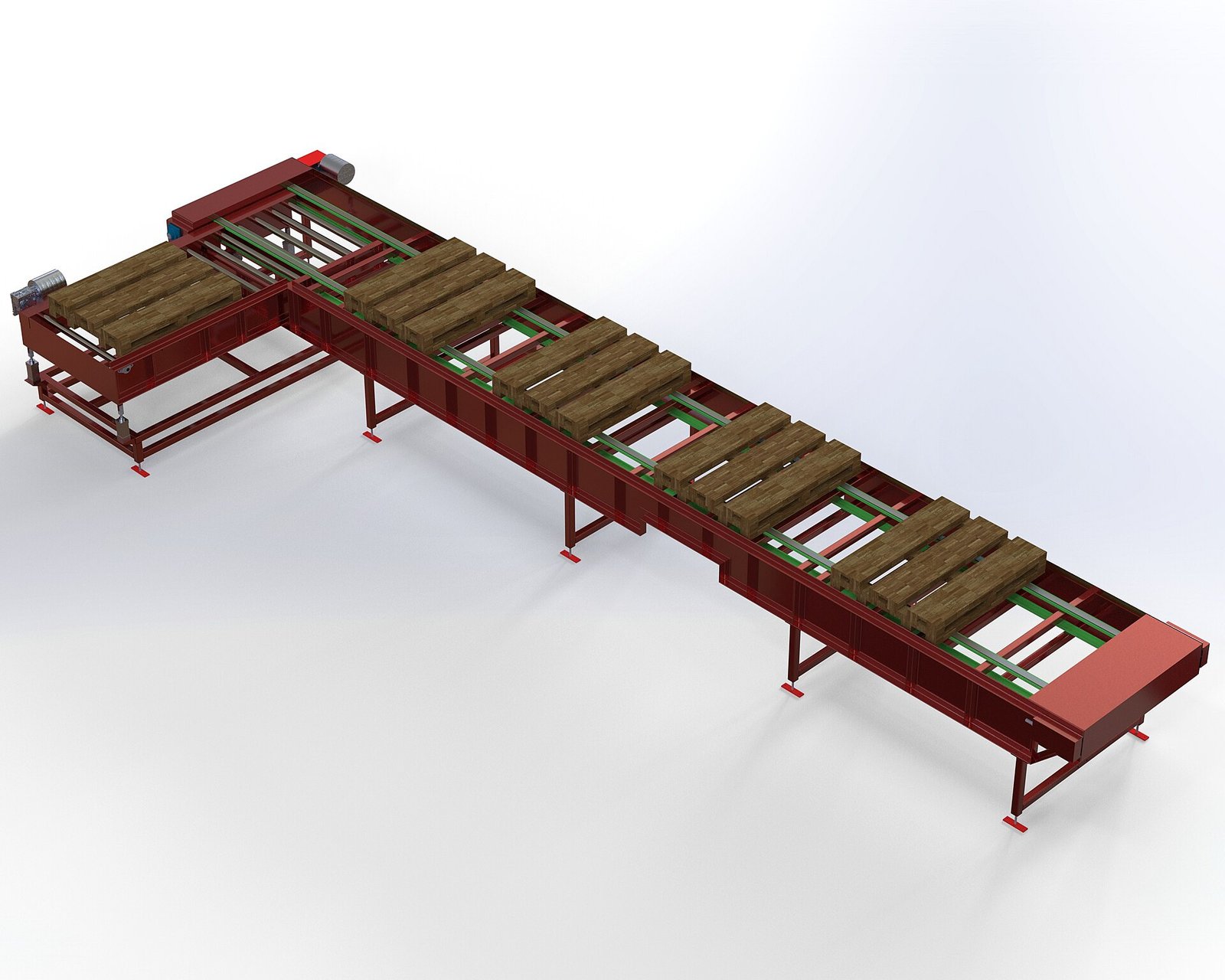
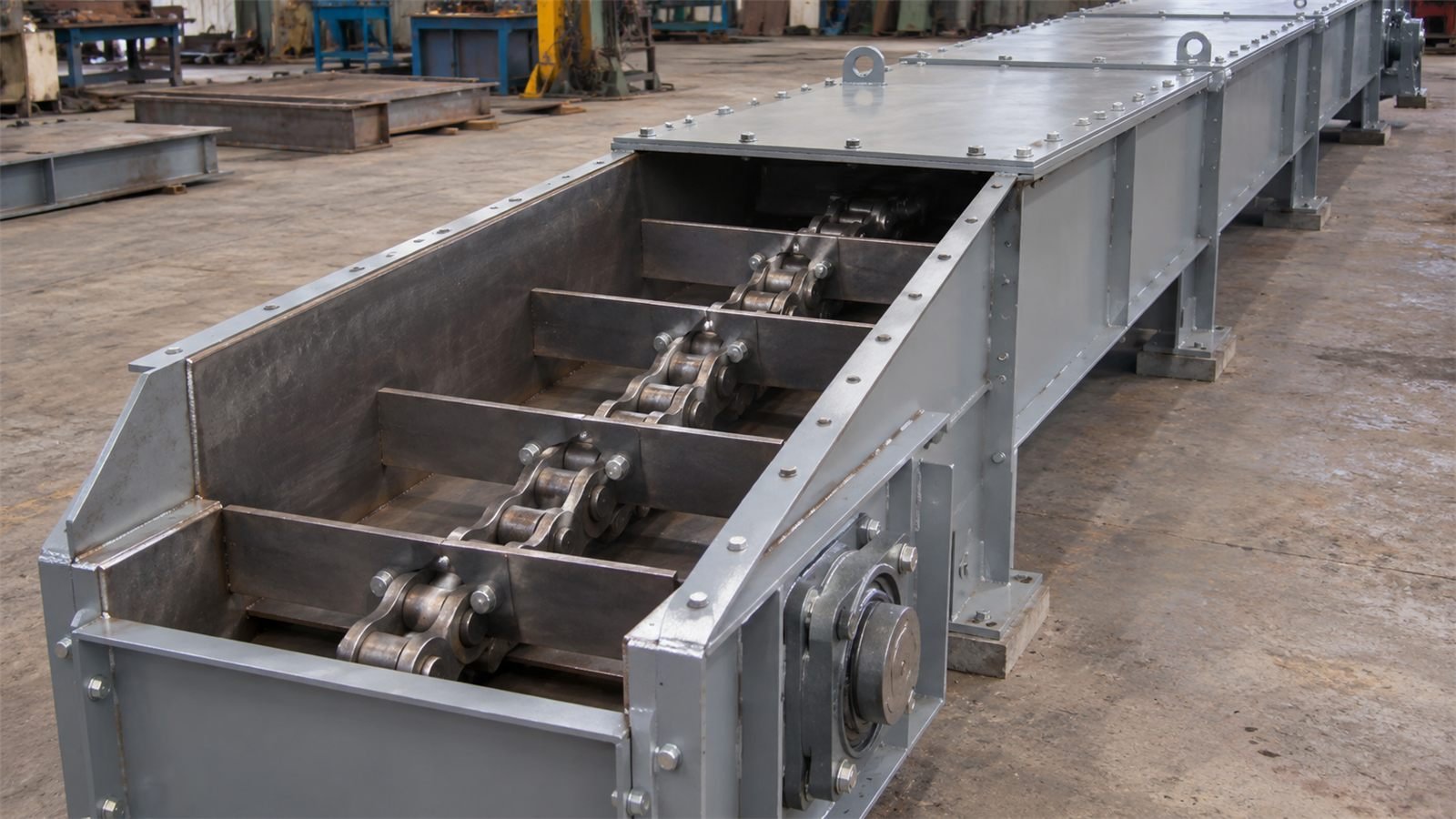
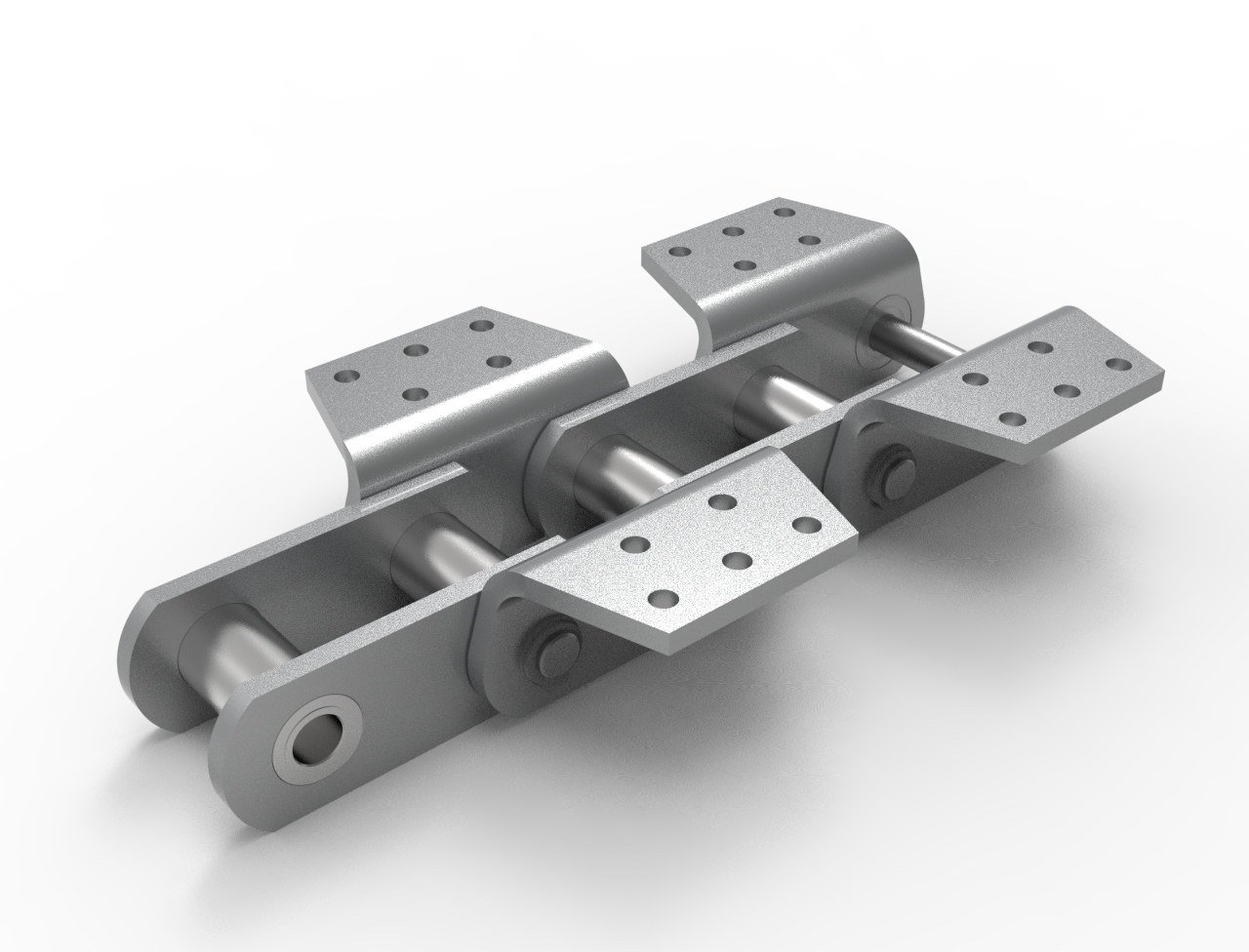
Drag chain conveyors move bulk material through an enclosed trough using chains and scraper flights. They are suitable for demanding transfer duties, including clinker and other abrasive materials.
Illustration
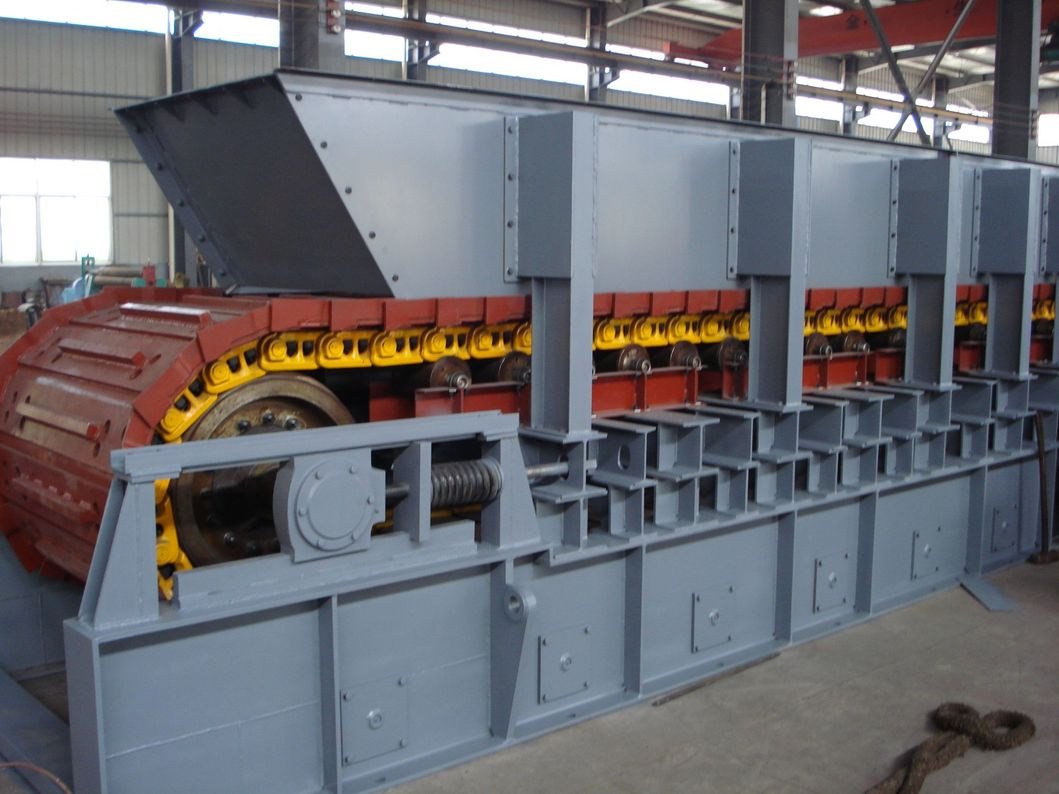
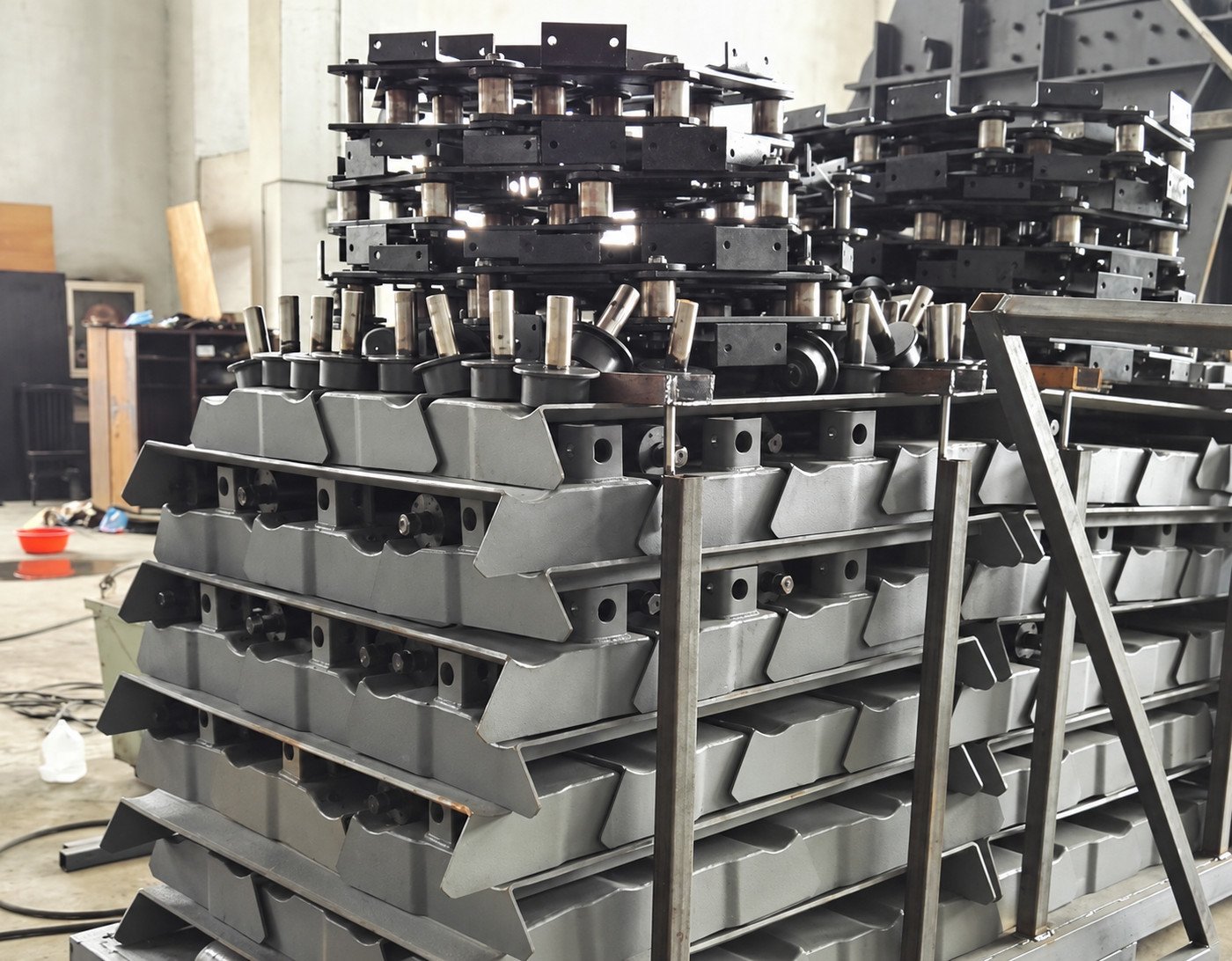
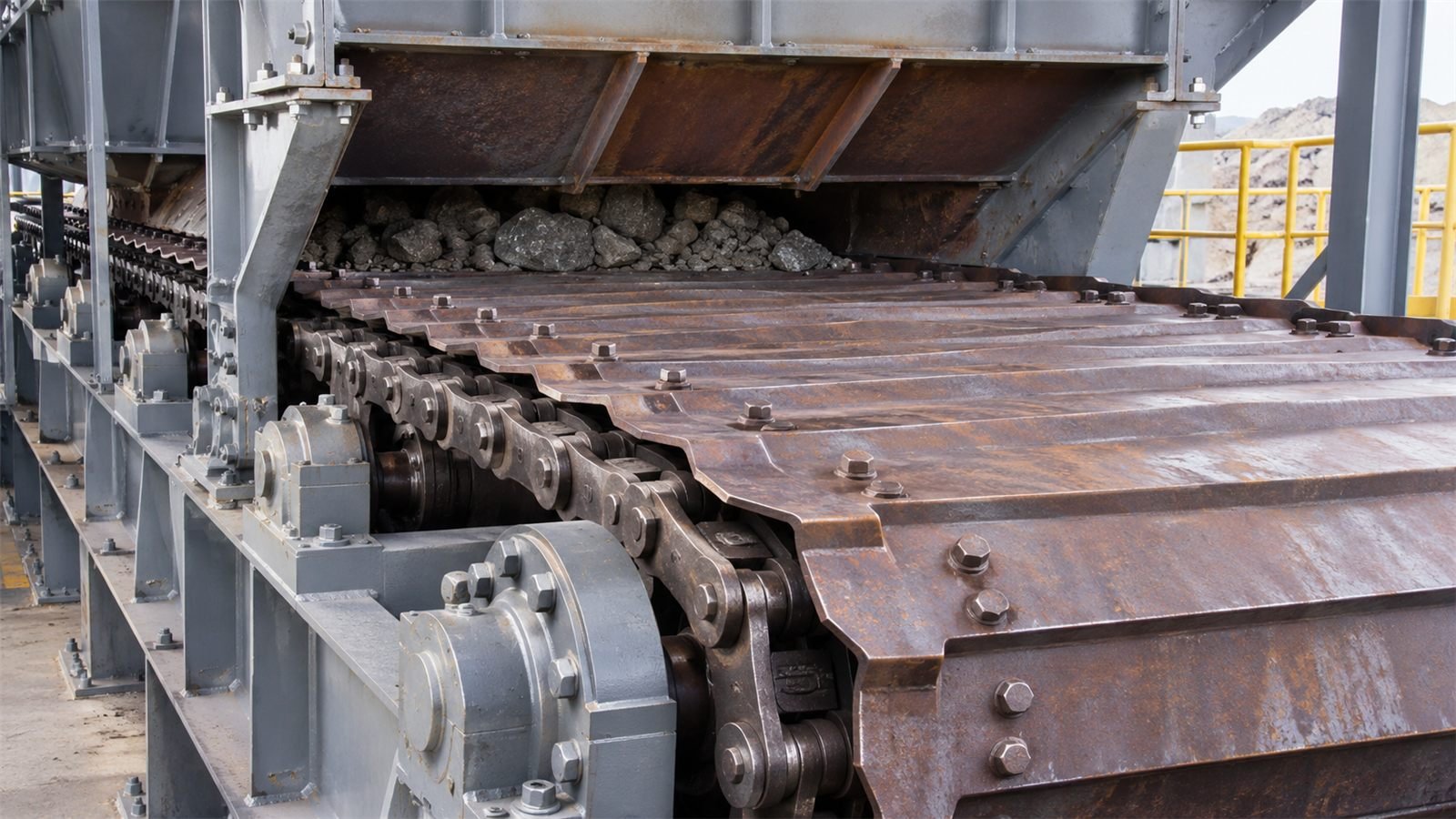
Apron feeders use overlapping steel pans to draw and convey heavy or coarse material at a controlled rate. They are typically installed beneath hoppers ahead of crushing or conveying equipment.
Illustration
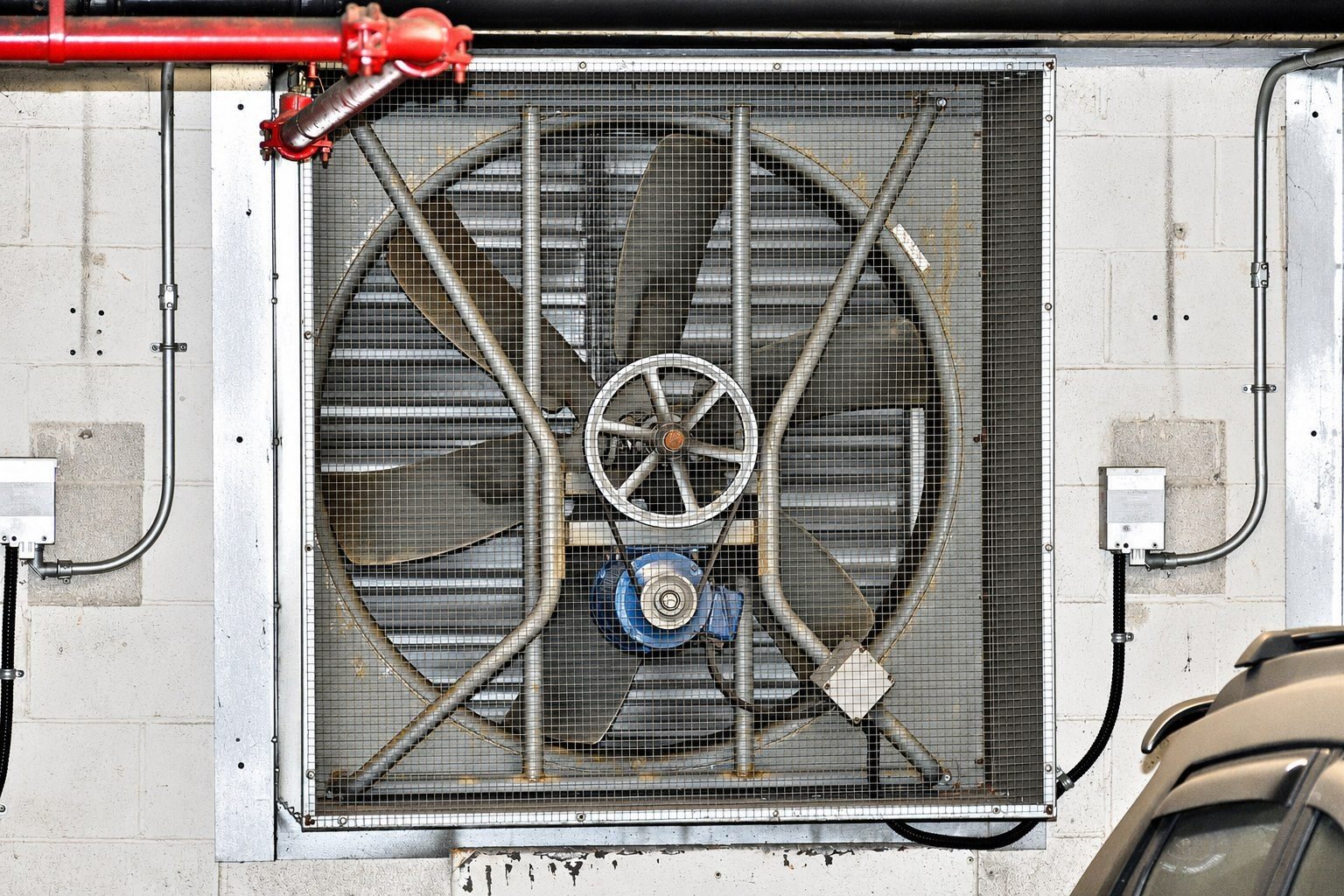
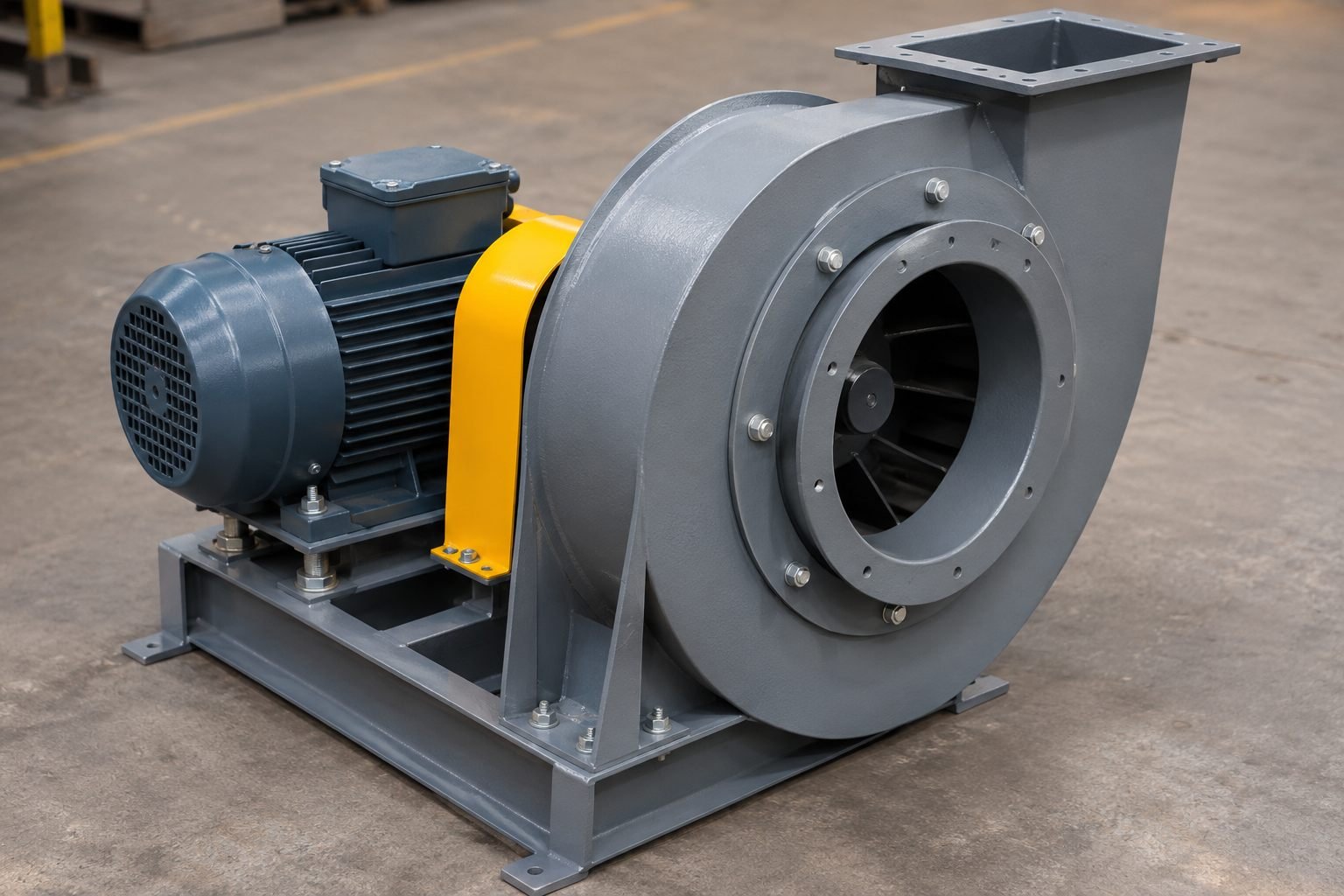
Small fans support local ventilation, cooling and air supply duties throughout a plant. Fan type and motor size are selected according to airflow, pressure and installation requirements.
Illustration
Illustration
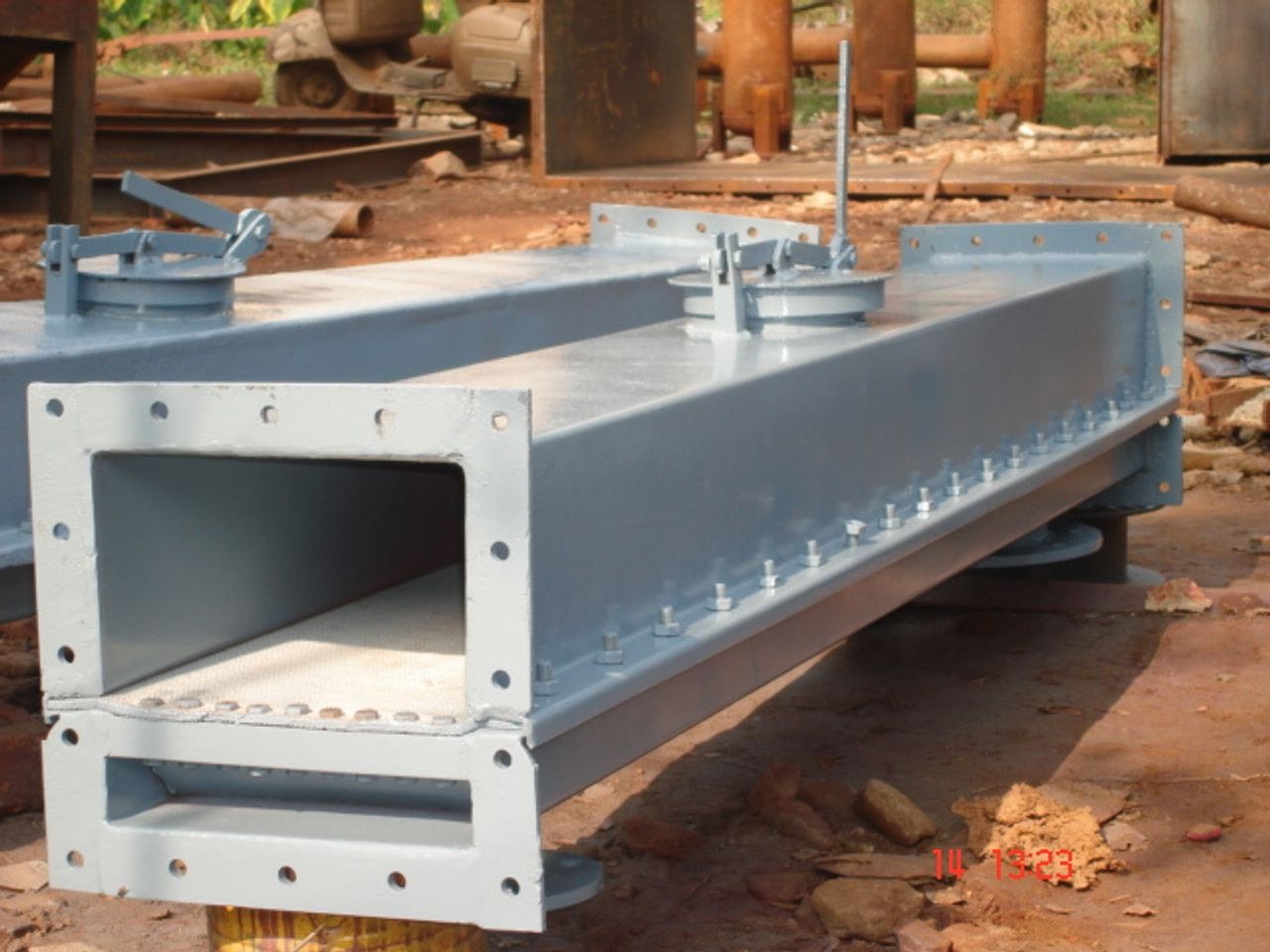
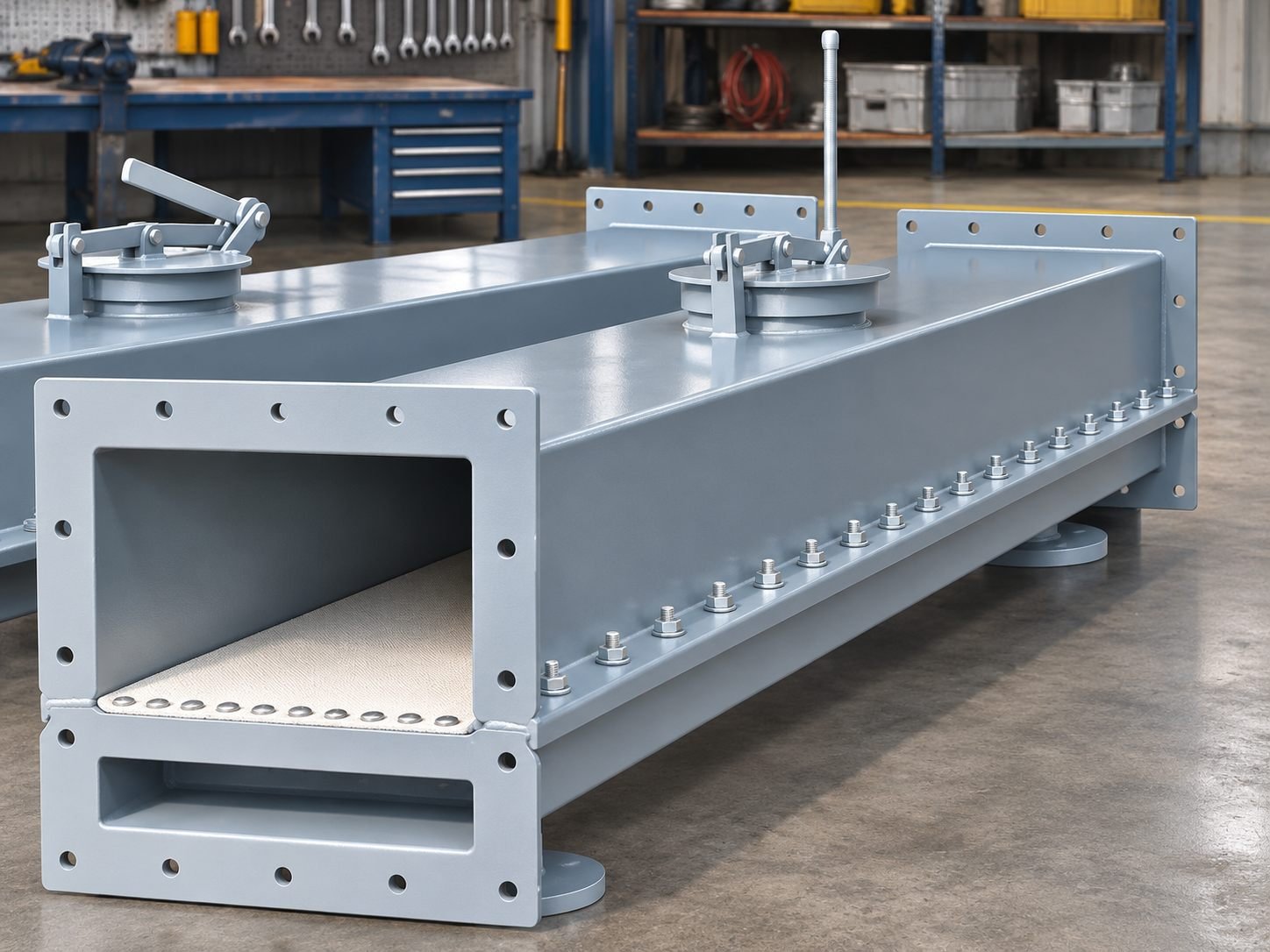
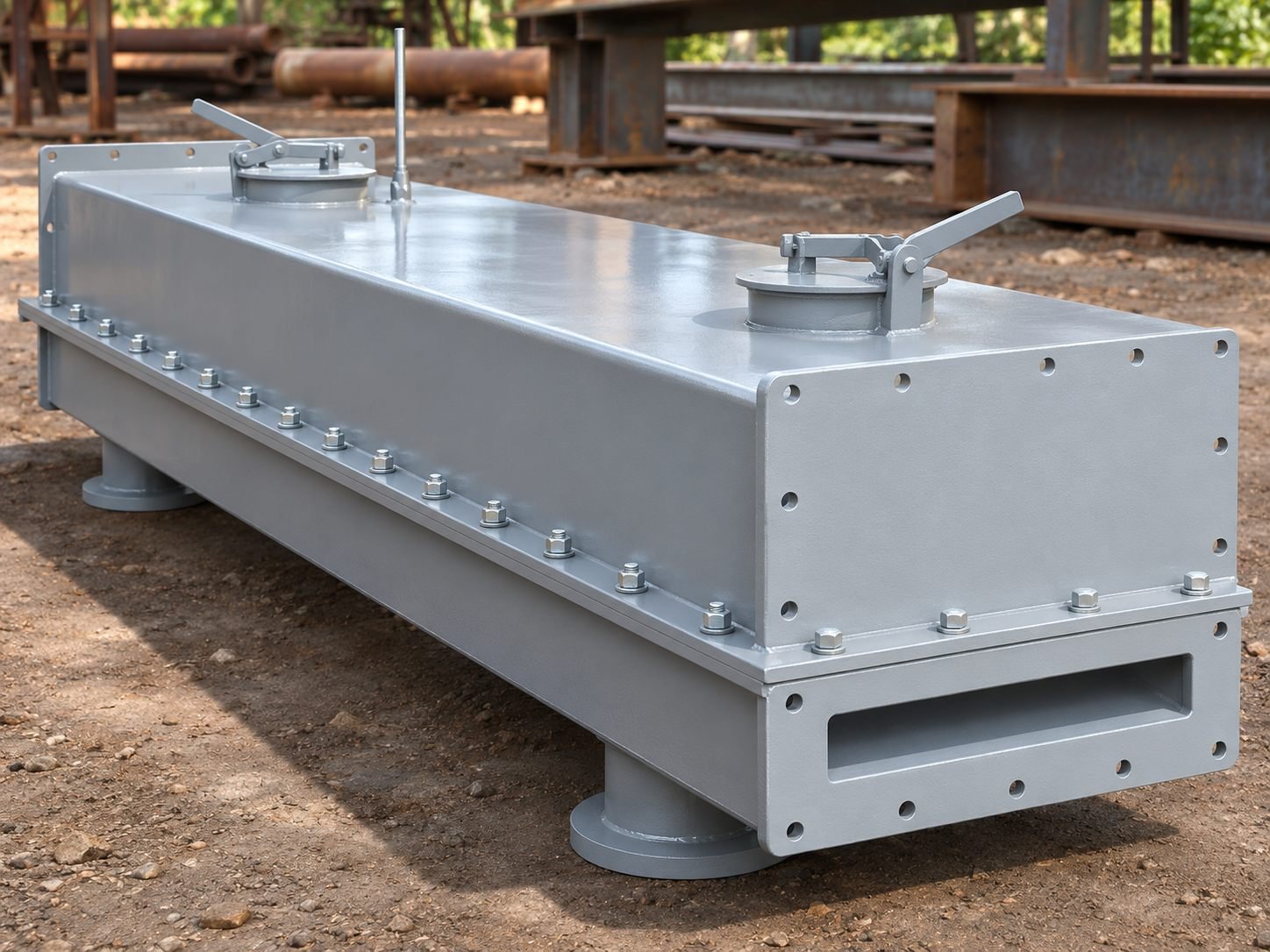
Air slides convey fine dry powders along an inclined enclosed channel using air supplied through a porous layer. They are commonly used to transfer cement and other fine materials between process equipment.
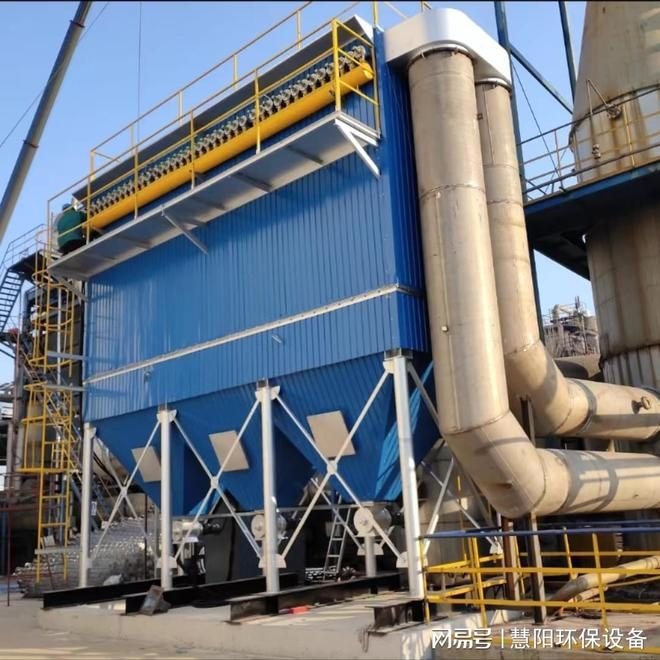
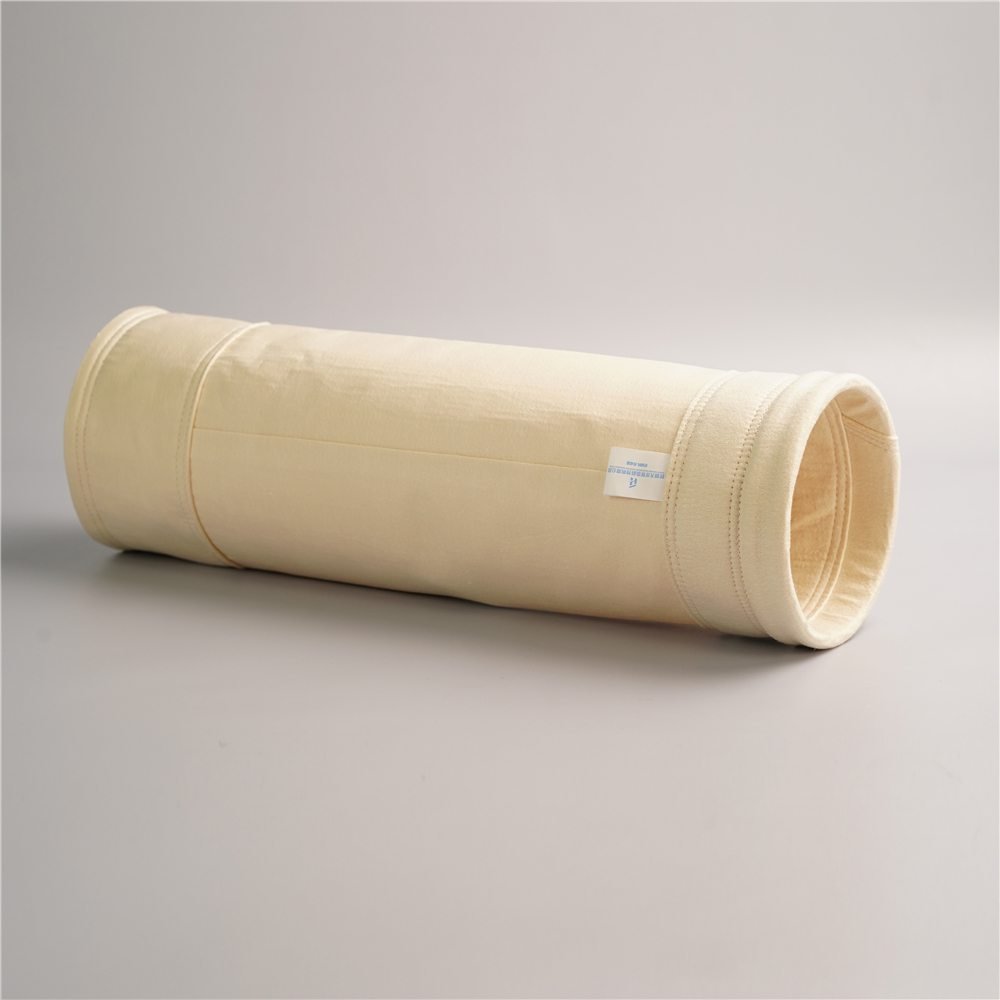
Dust collection systems capture airborne particles from process gas and ventilation streams. Bag filters and electrostatic precipitators are selected to suit the dust characteristics and operating conditions.
Illustration
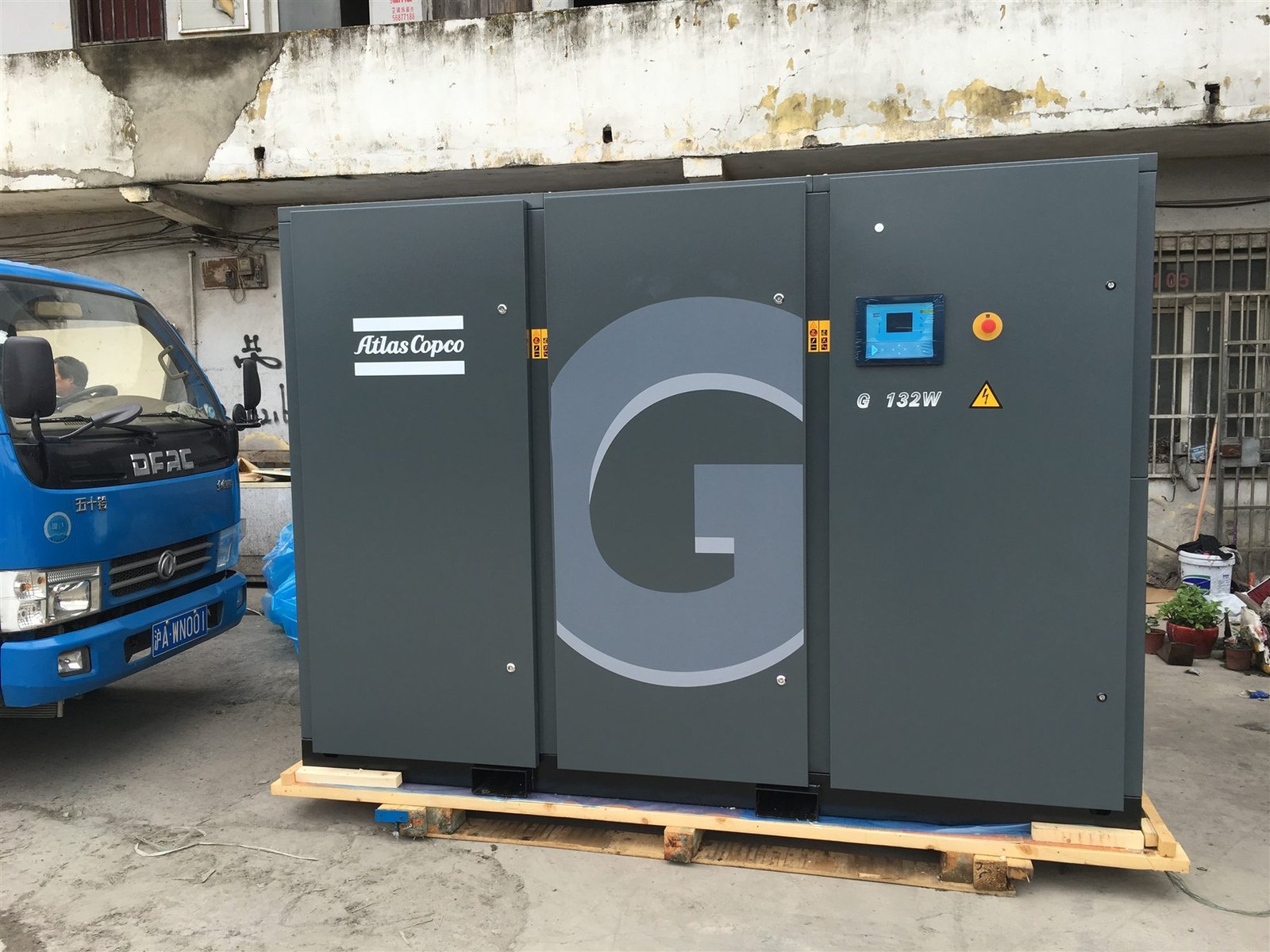
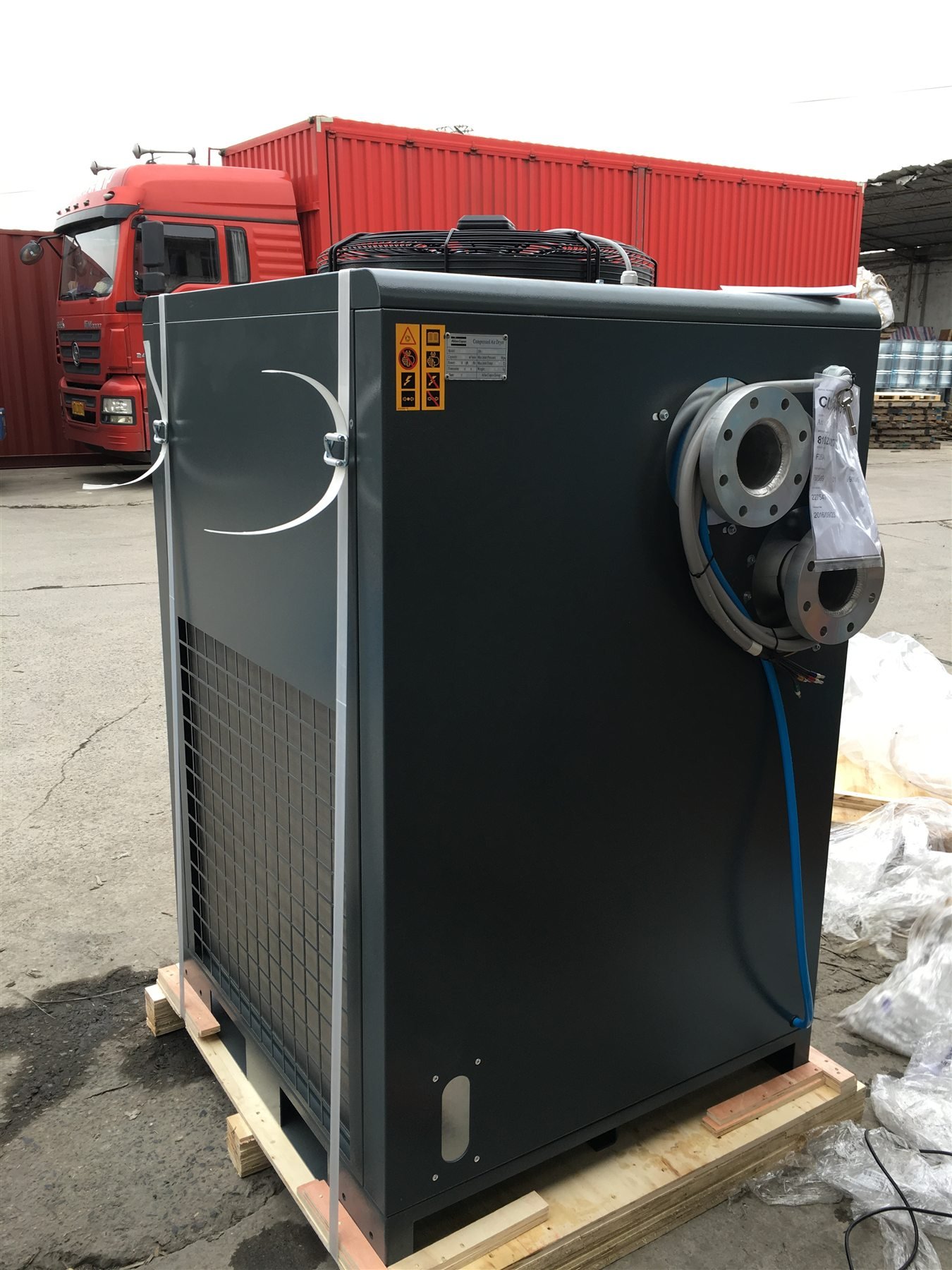
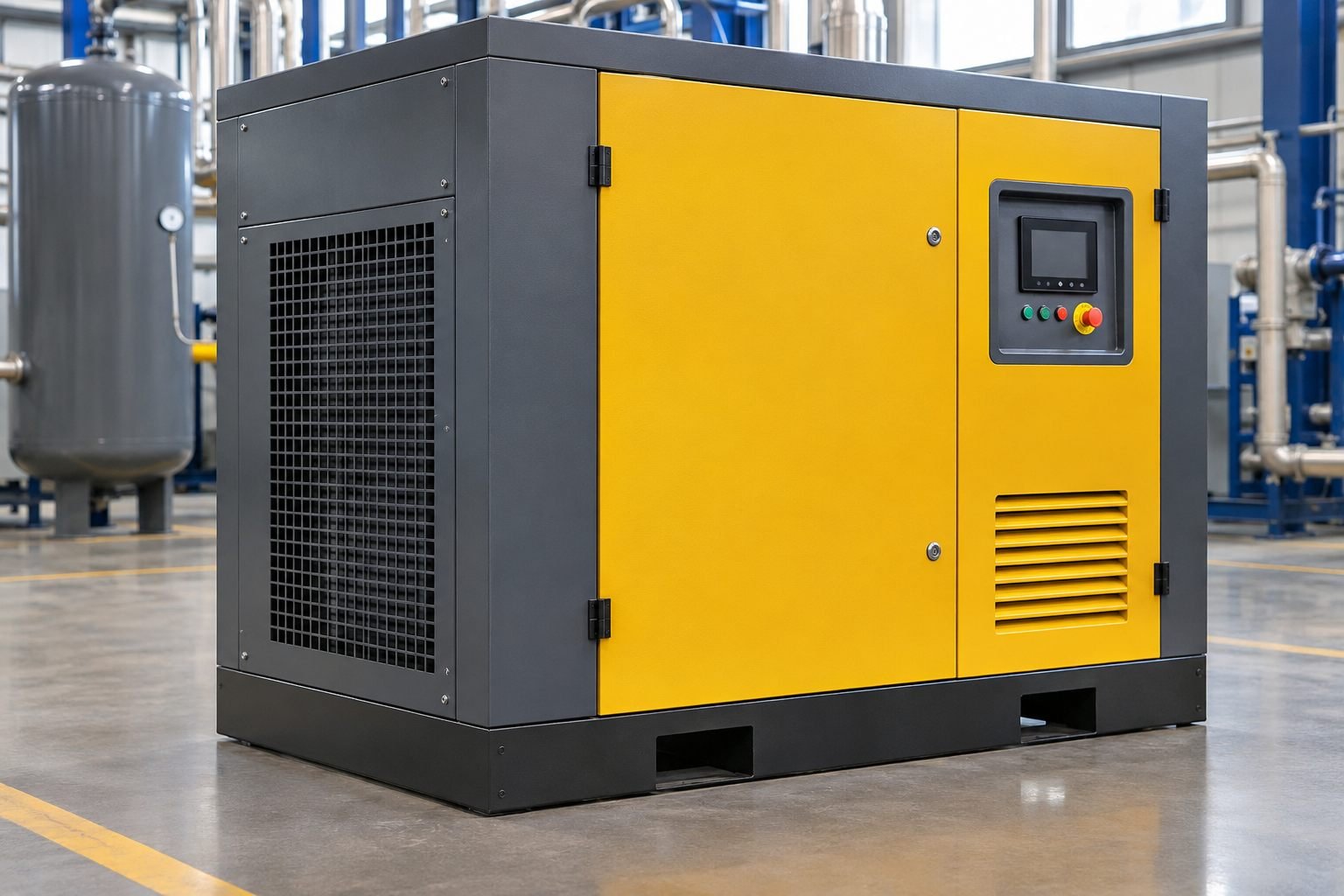
Compressed air systems supply plant instruments, actuators and other pneumatic equipment. Compressors and dryers can be selected to meet the required air flow, pressure and air quality.
Illustration
Illustration
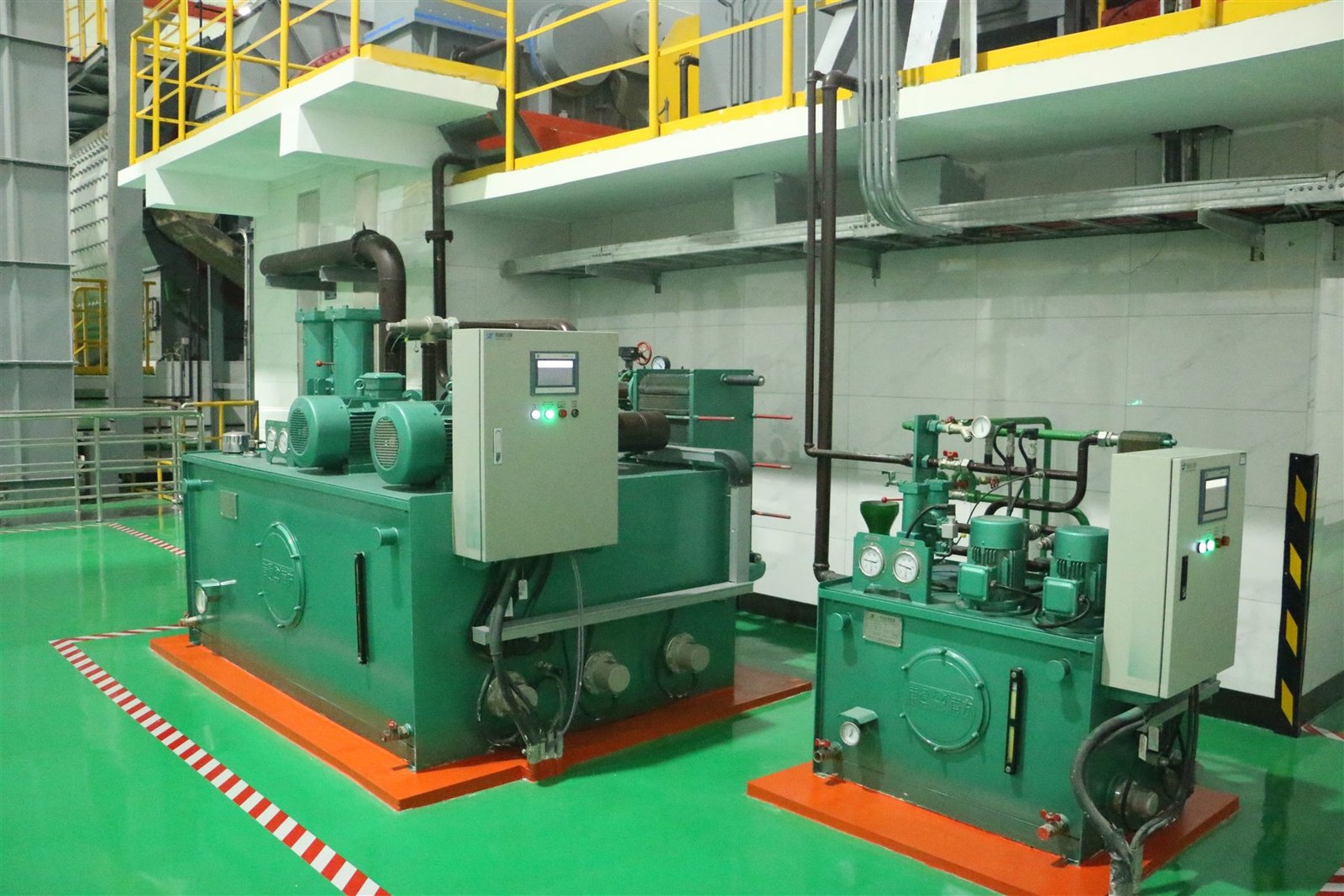
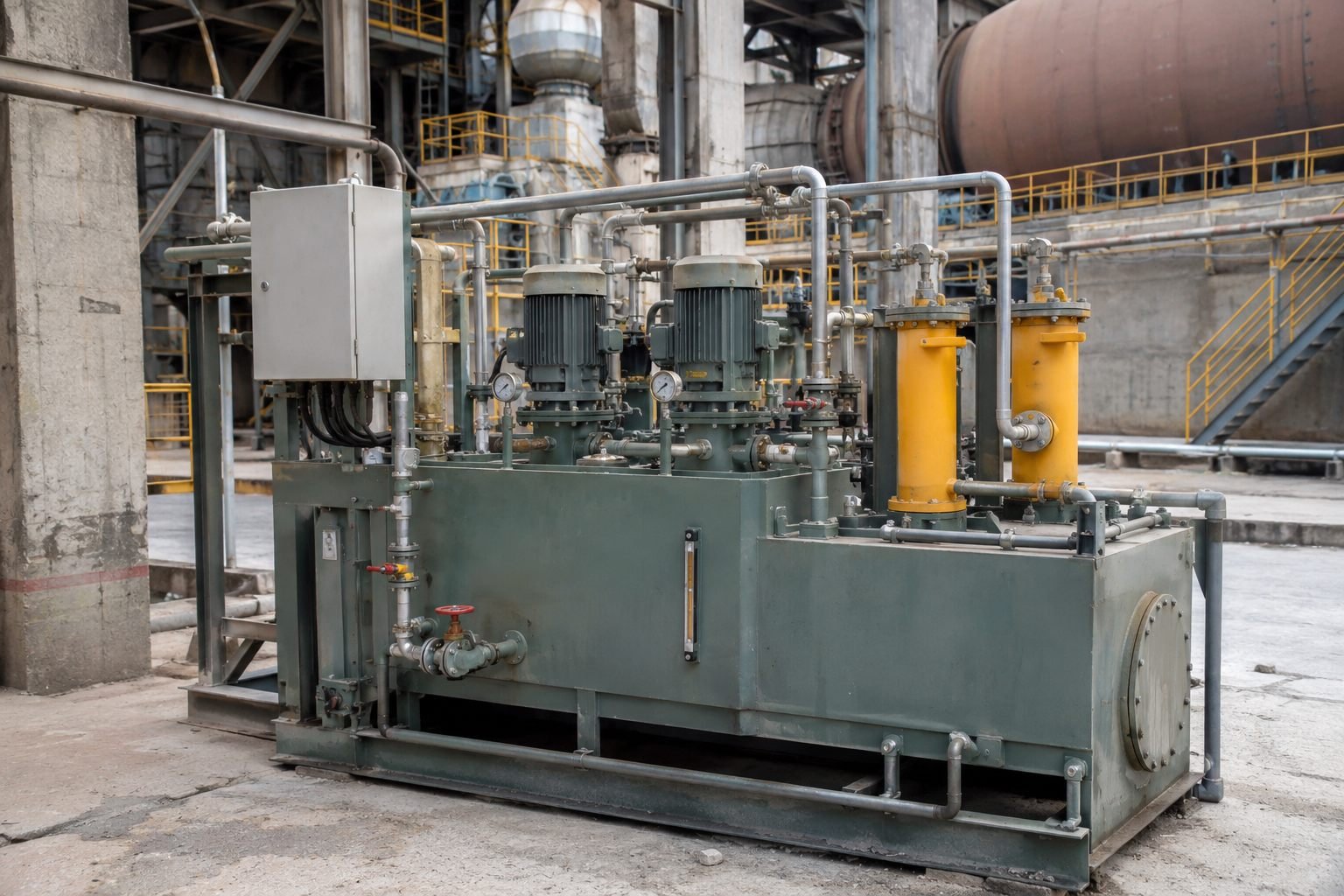
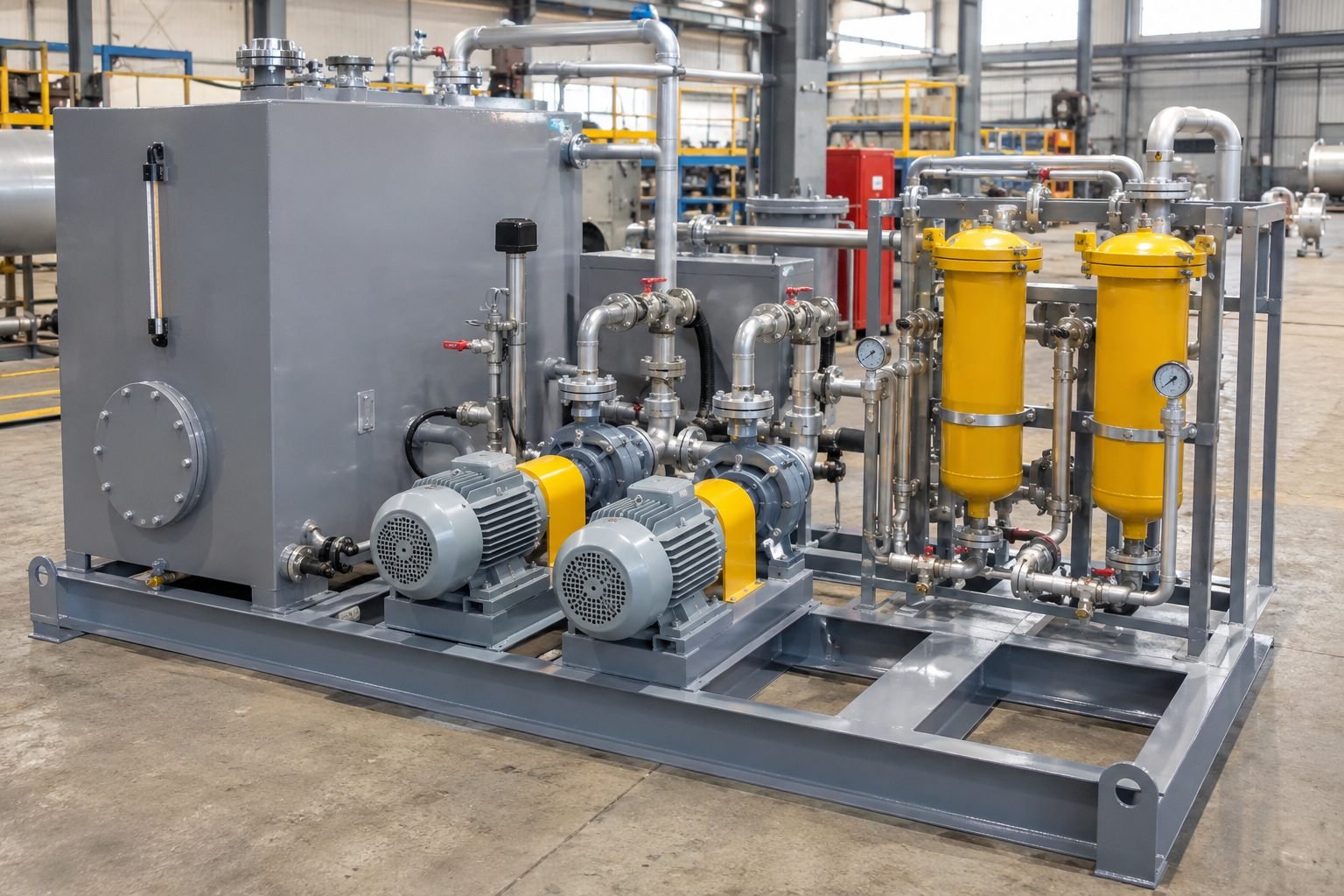
Lubrication stations supply conditioned oil to bearings, gears and other moving equipment. Pumps, filters and monitoring components are arranged to suit the machinery and its operating requirements.
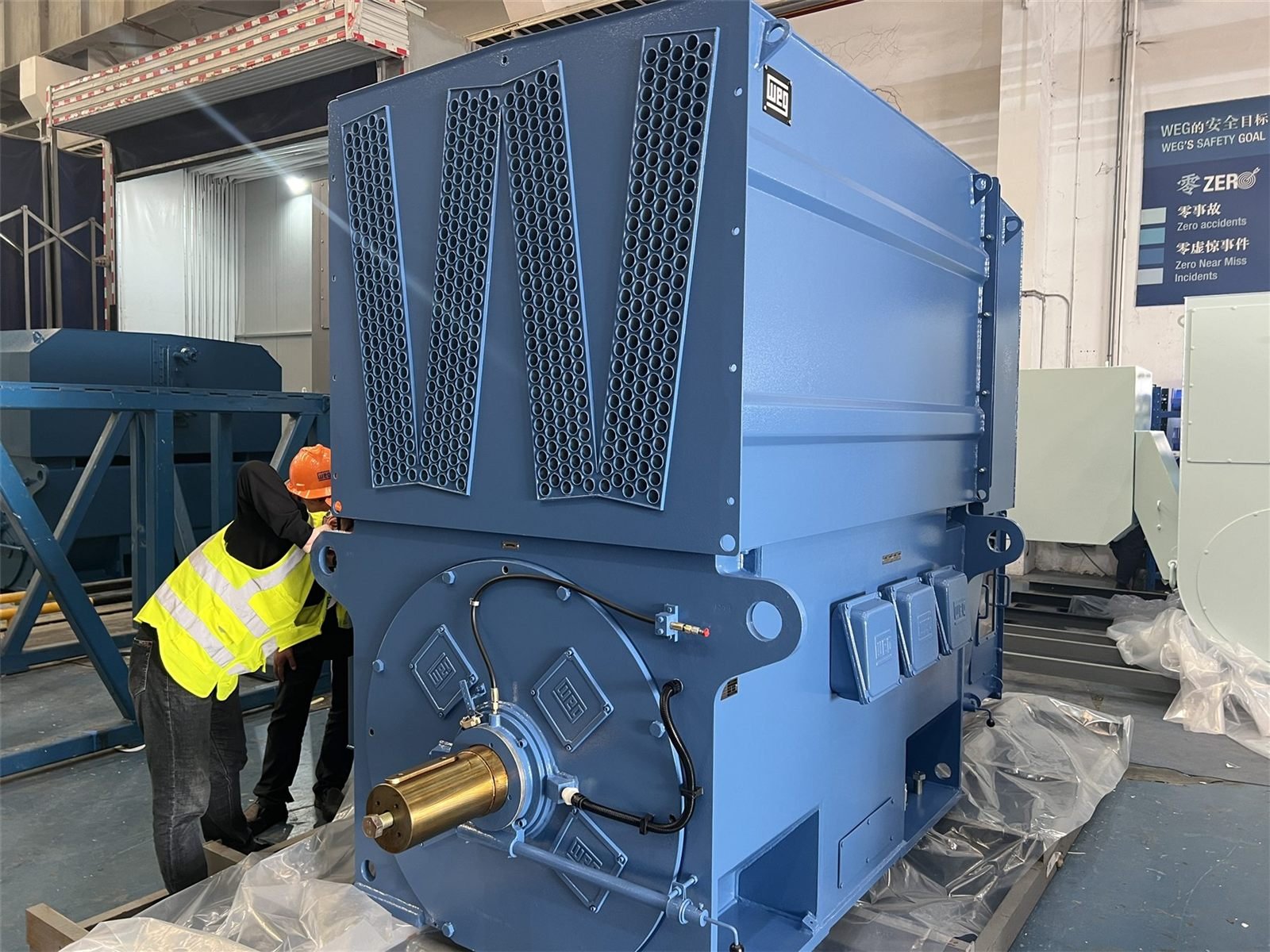
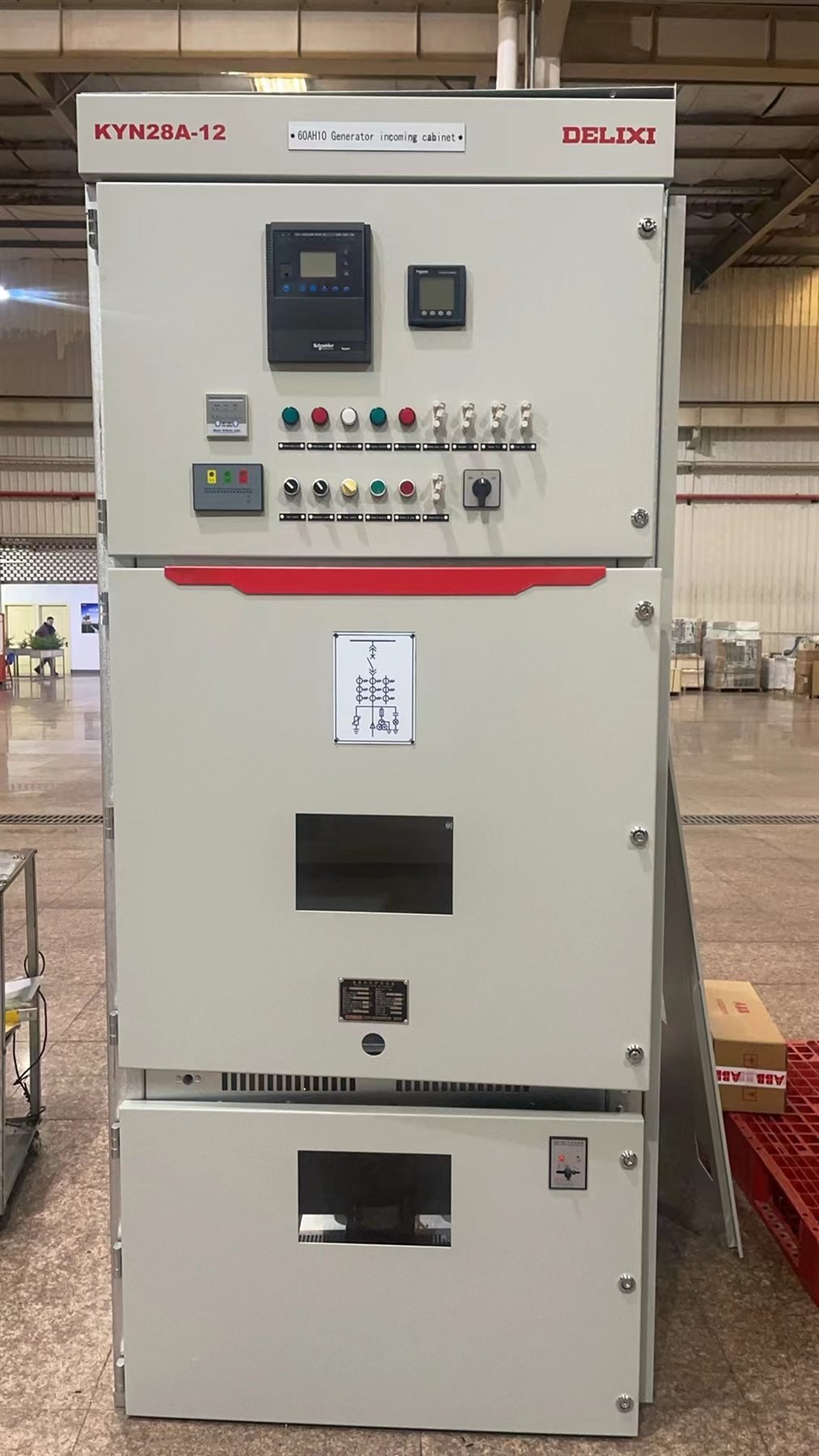
Motors, drives and control cabinets provide power and control for equipment across the production line. Components are selected for the load, operating environment and control requirements.
Illustration
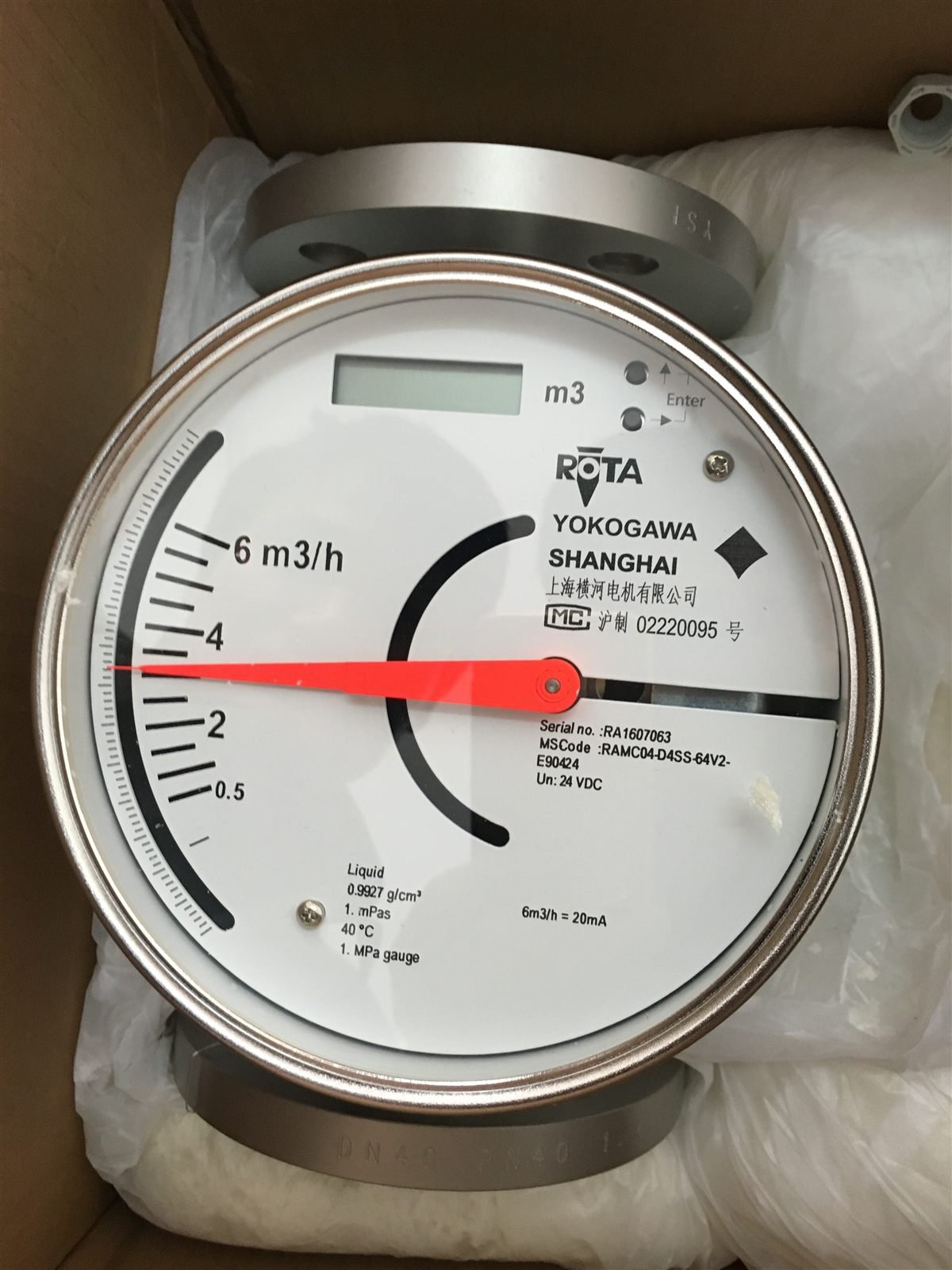
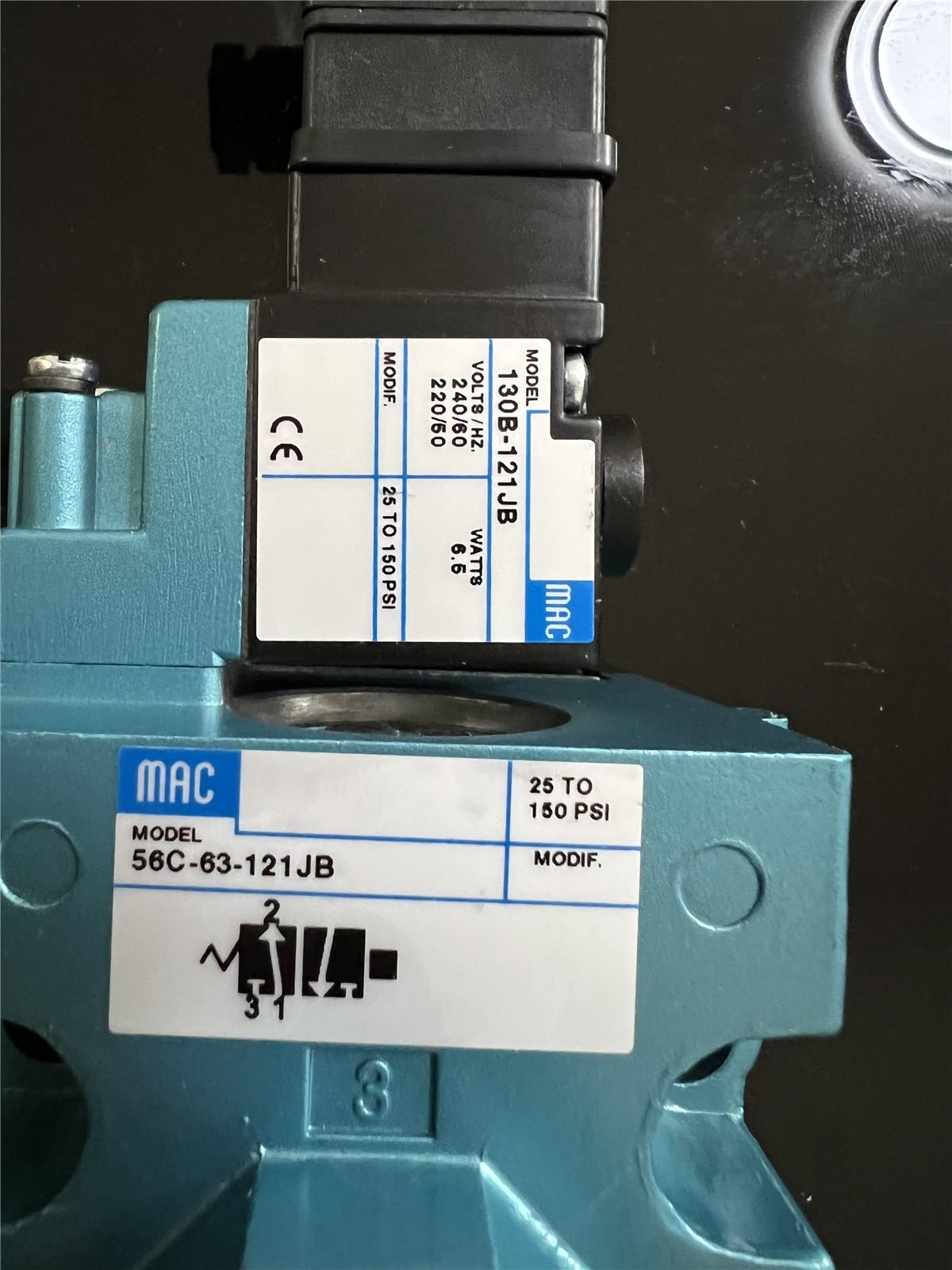
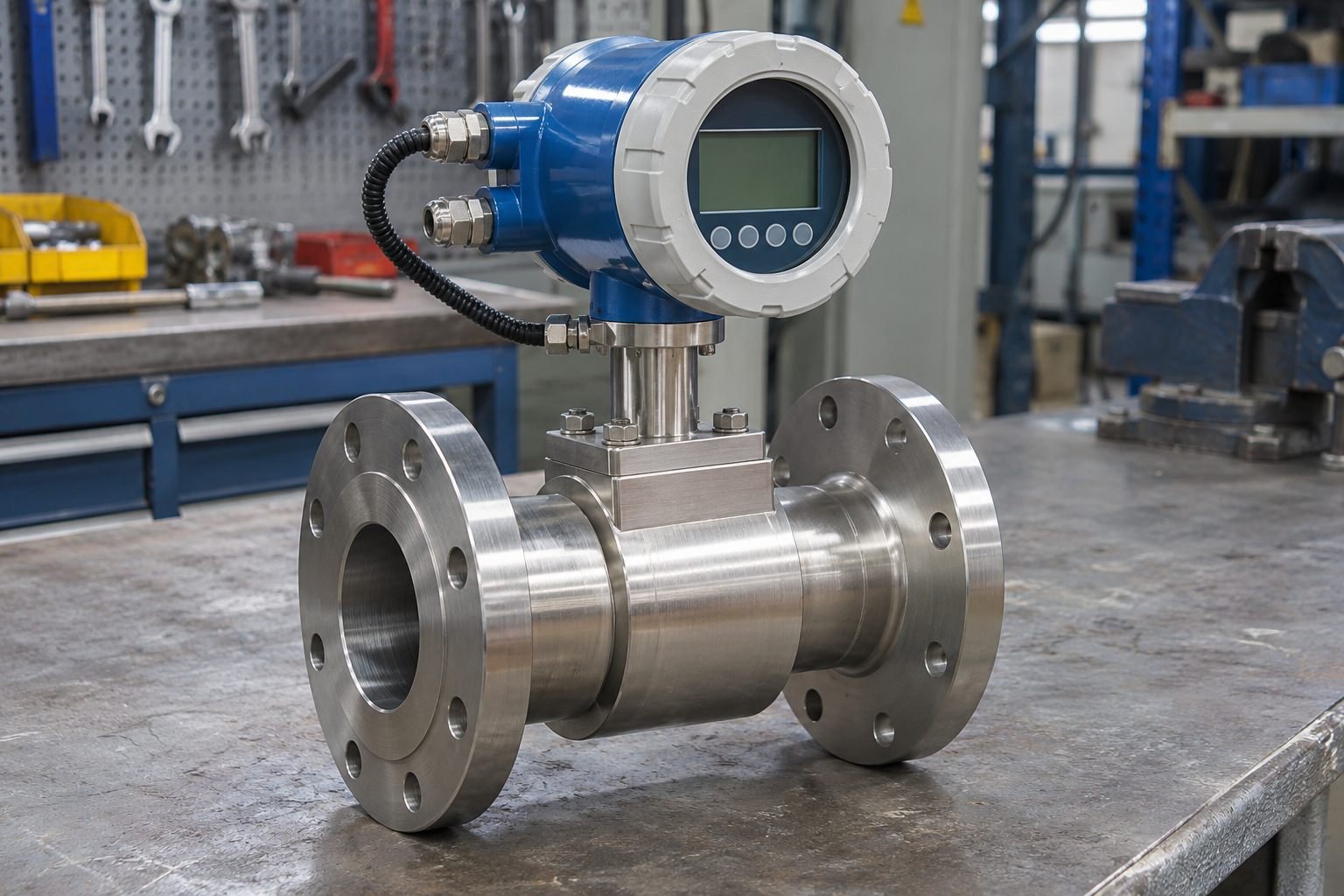
Instrumentation and valves help monitor and control process conditions such as flow, pressure and temperature. Selection depends on the medium, measurement range and plant control system.
Illustration
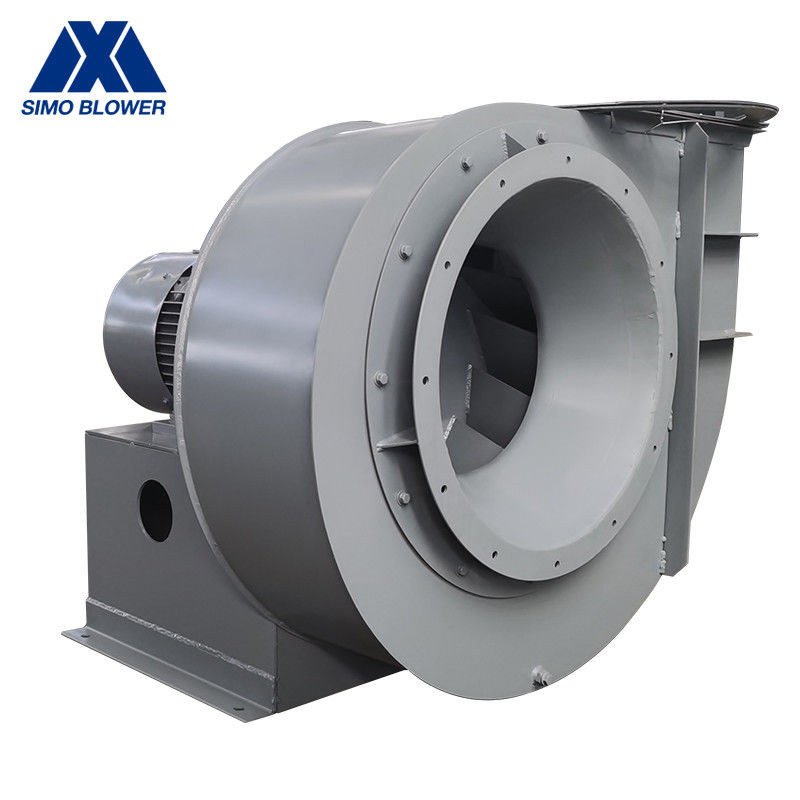
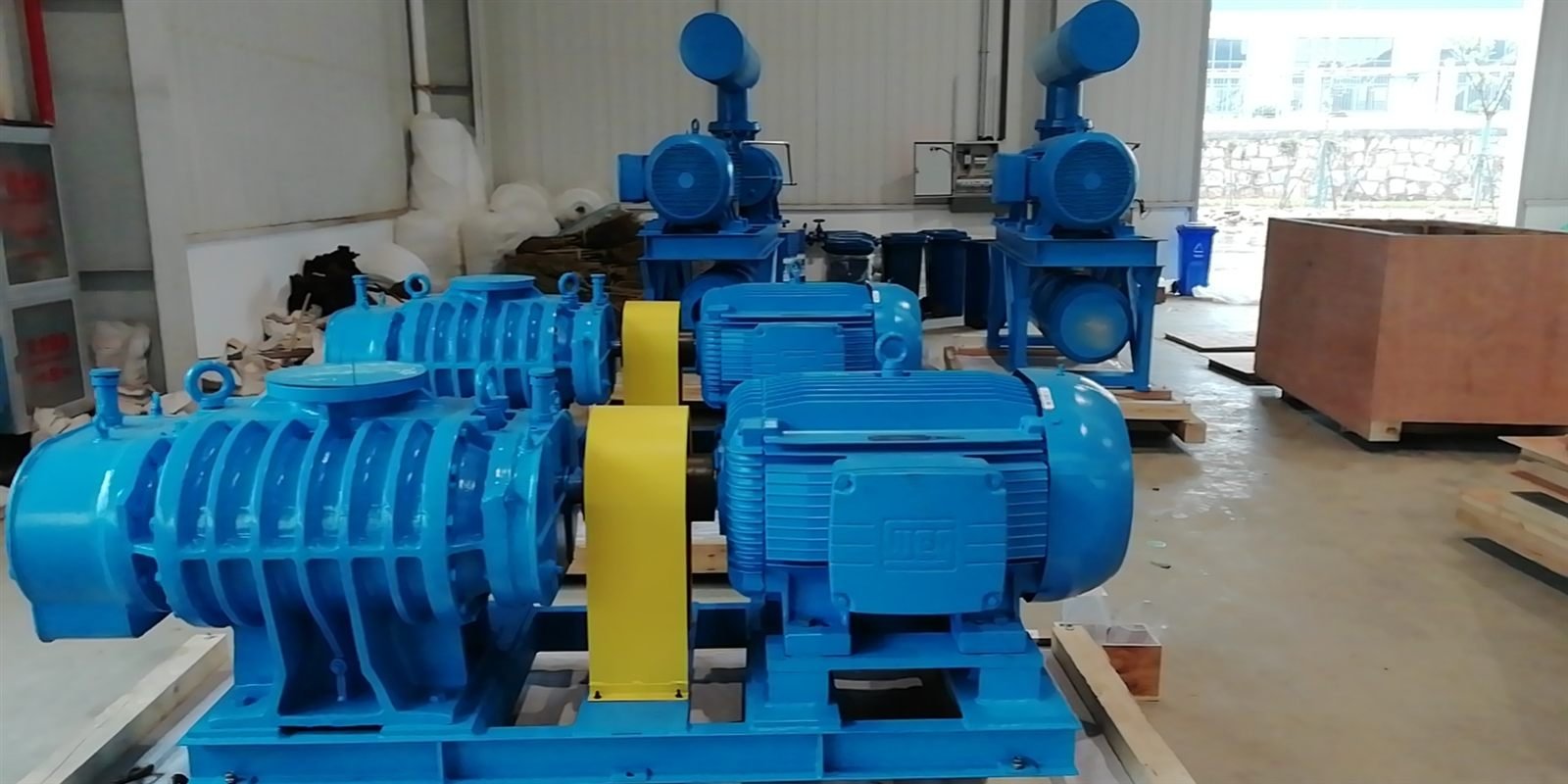
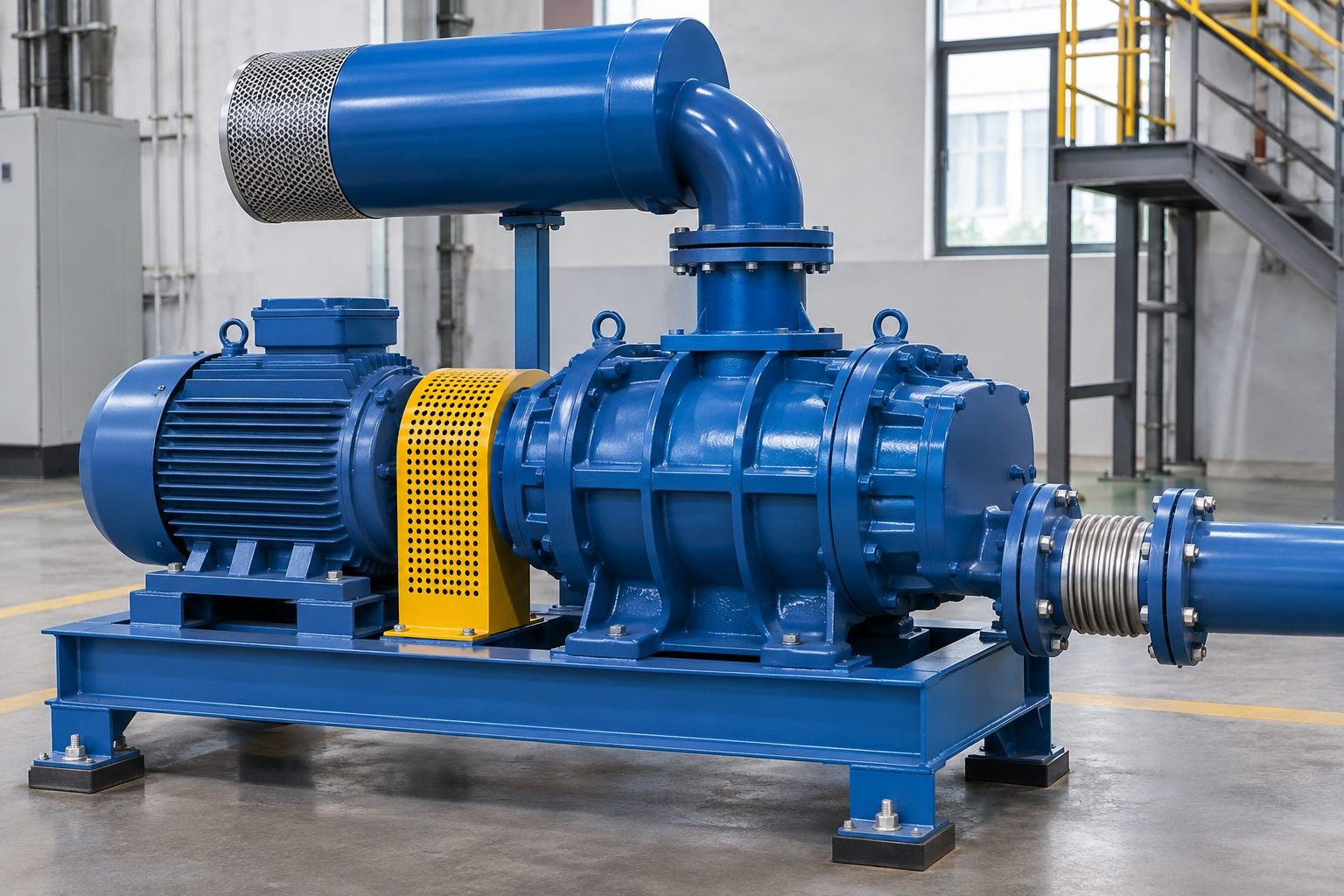
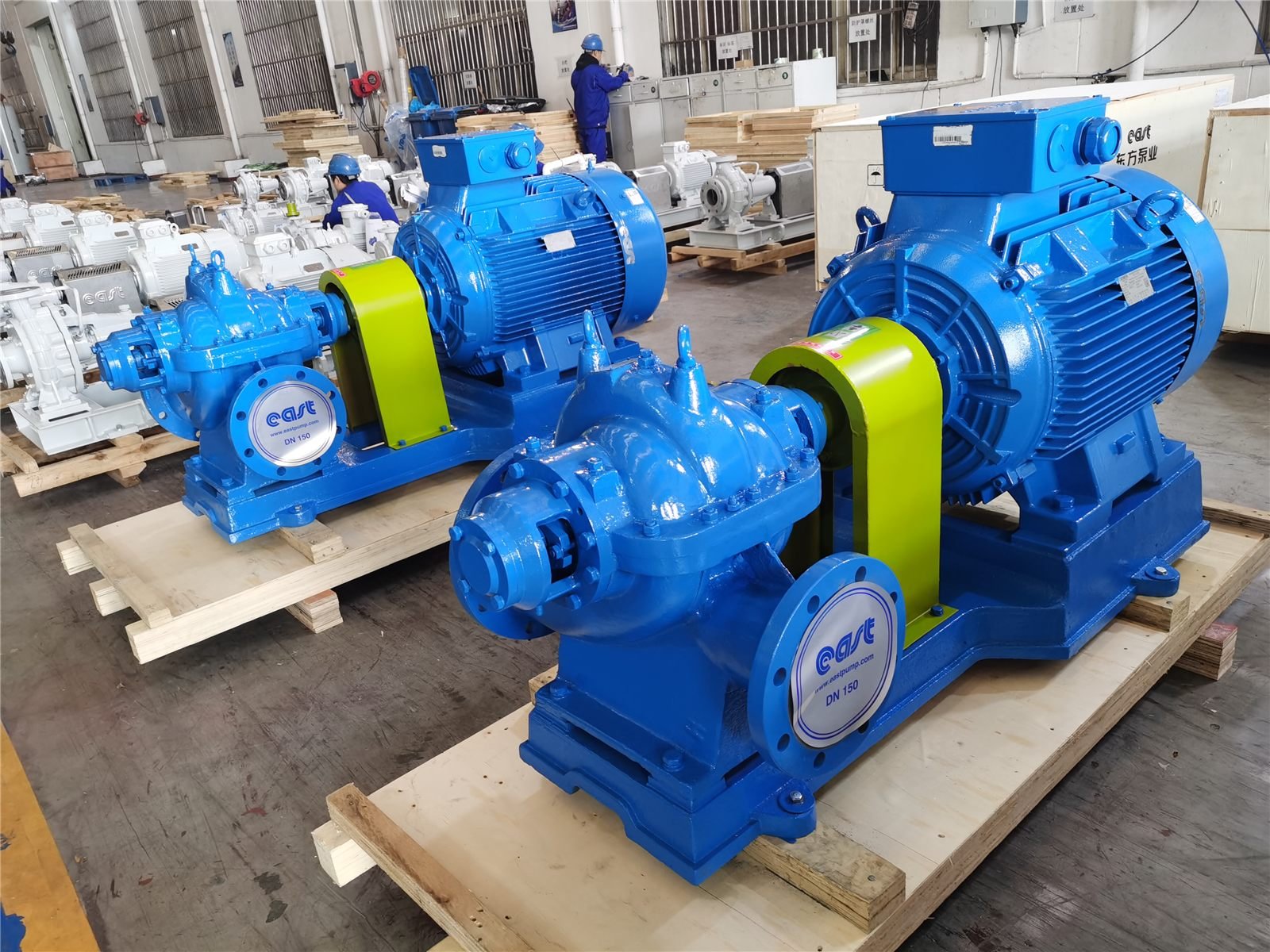
Pumps transfer liquids, while blowers supply air for process and conveying duties. Equipment selection depends on the medium, required flow, pressure and operating conditions.
Need a Specific Part?
We can help match replacement parts to your equipment model and application.