Material Handling
Hoppers, rollers and coupling components for belt conveyors and bulk material transport lines.
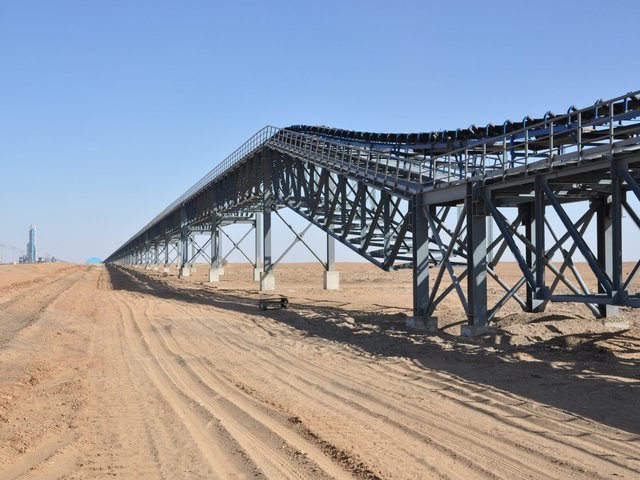
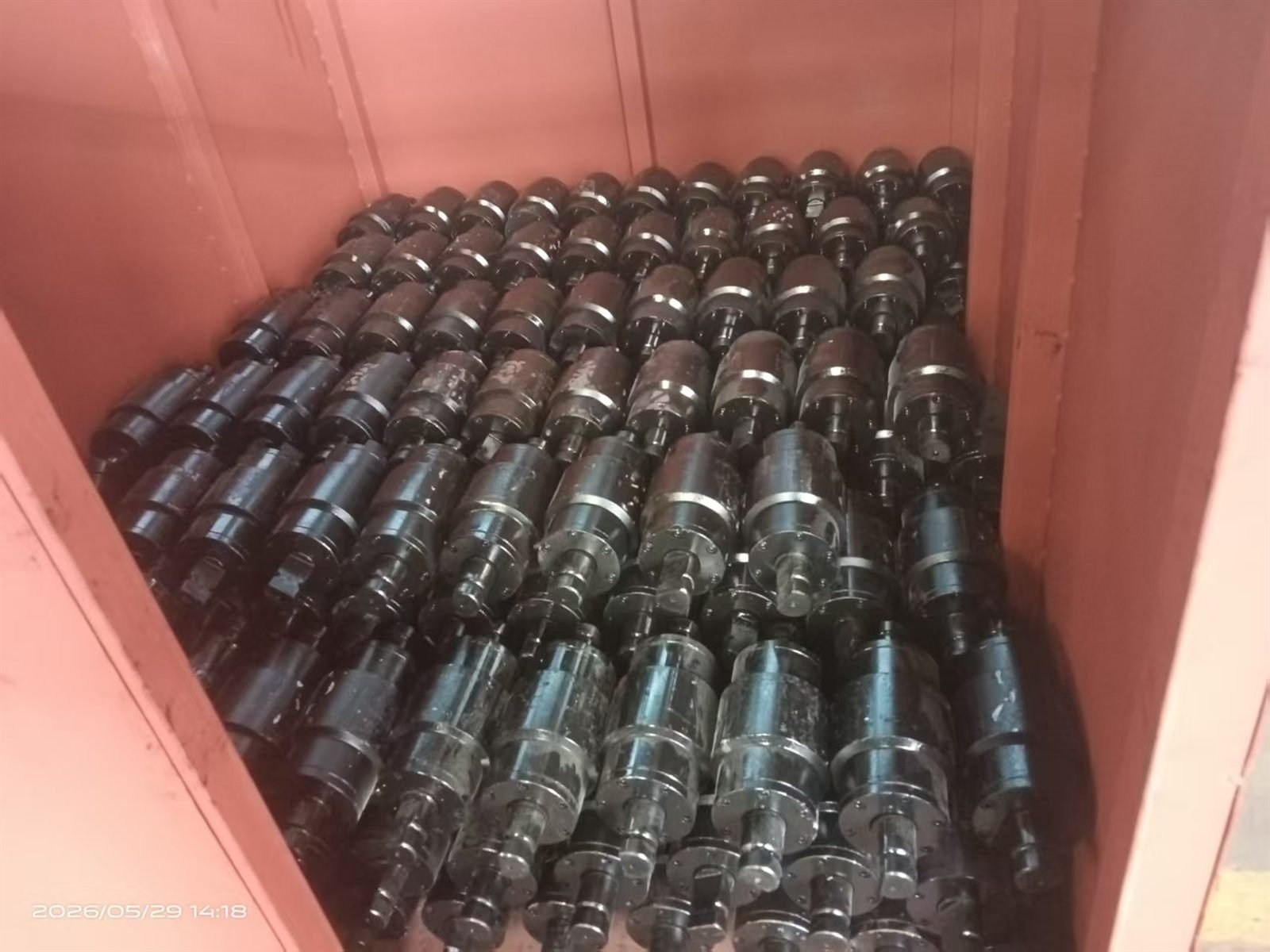
Conveyor uptime depends on support and buffer rollers running true and hoppers feeding evenly — small, unglamorous parts that cause outsized downtime when they fail. We supply these matched to your conveyor's belt width and roller spacing.
Hydraulic couplings and tail bearings are available where a drive-end overhaul is planned alongside routine roller replacement. A conveyor running noticeably hot at one roller position is usually easier and cheaper to fix at that stage than after the bearing fails and damages the roller shell.
A closer look at the parts we supply in this category — what each one does, and why it wears or matters the way it does.
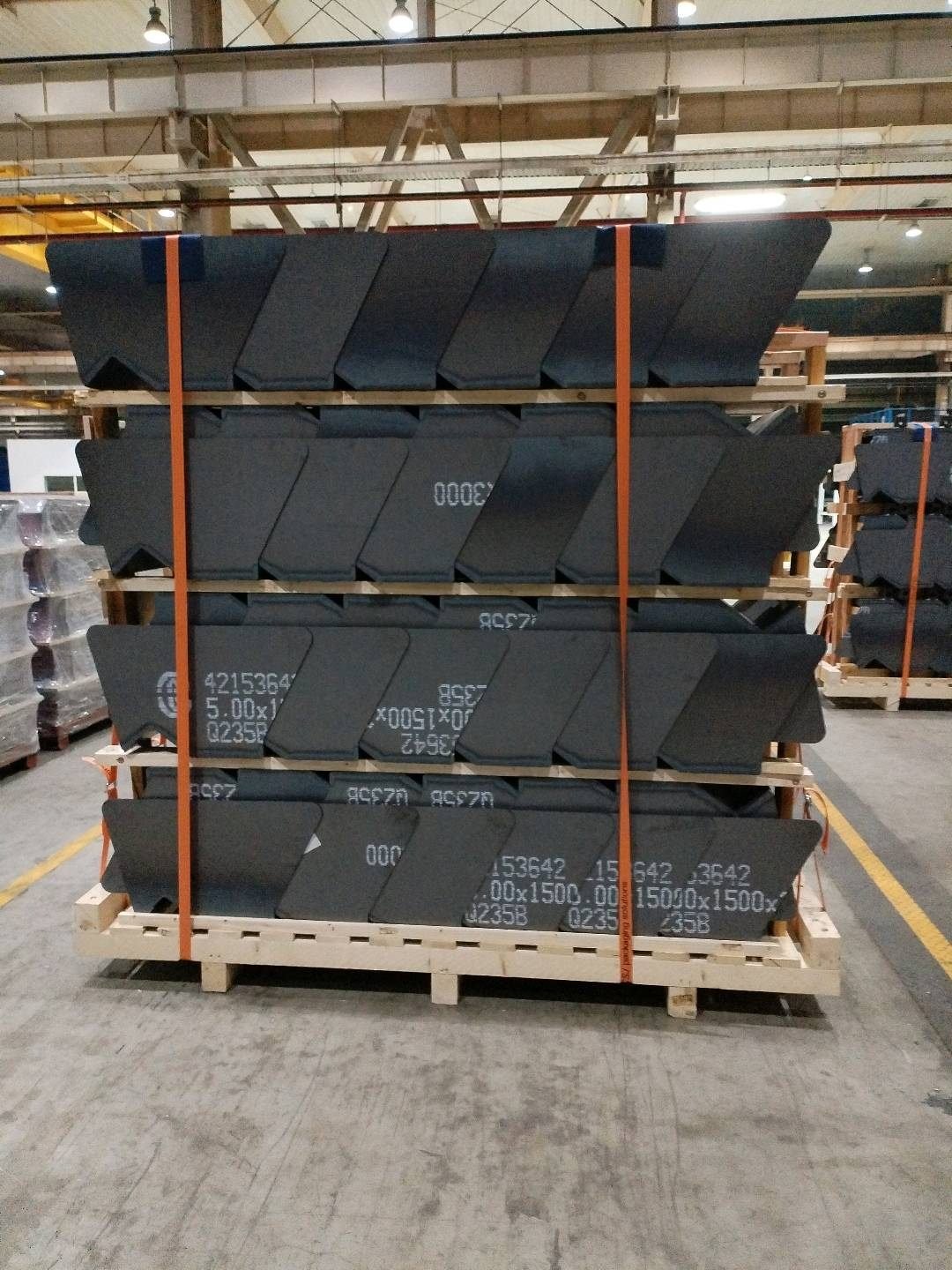
Provide a stable, level material transfer point at conveyor loading zones.
Support belt travel and, in chain-driven sections, transmit material movement.
Support the conveyor pulley shaft at the tail (non-drive) end.
Fastening hardware for hopper assembly and mounting.
Cushion impact loading at transfer and loading points to protect structure and belting.
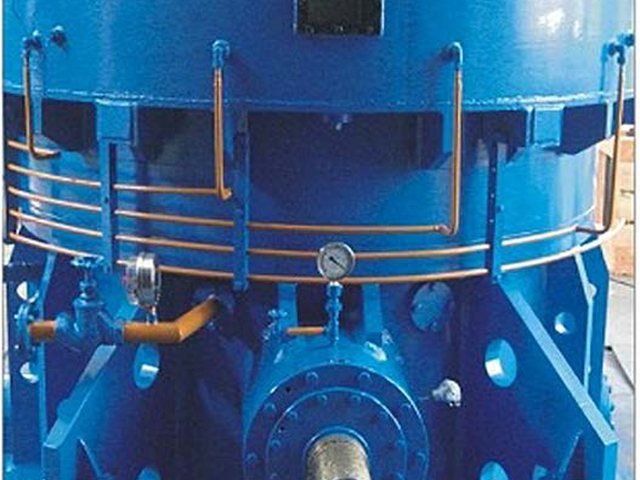
Provide smooth, controlled startup torque transmission on larger conveyor drives.
Improve belt tracking and material containment on troughed conveyor sections.
Absorb impact loading directly beneath loading points, protecting the belt and standard support rollers downstream.
Support shaft-mounted components in overhead or non-standard mounting arrangements.
Materials
Standard construction for support and buffer rollers across most belt-width and load ranges.
Used where extra belt grip or self-cleaning action is needed at drive or transfer points.
For hoppers, connection hardware and chains under continuous material-handling load.
How Ordering Works
The same process whether you're ordering one wear plate or a full rebuild kit for material transport equipment.
A drawing, part number, nameplate photo, or the worn original part — any of these is usually enough to start.
Our team cross-references dimensions, tolerances and material against your equipment before quoting — not from a model number alone.
You get a clear price and delivery schedule, with material and specification confirmed in writing.
Parts are produced by our manufacturing partners and inspected against the confirmed specification before packing.
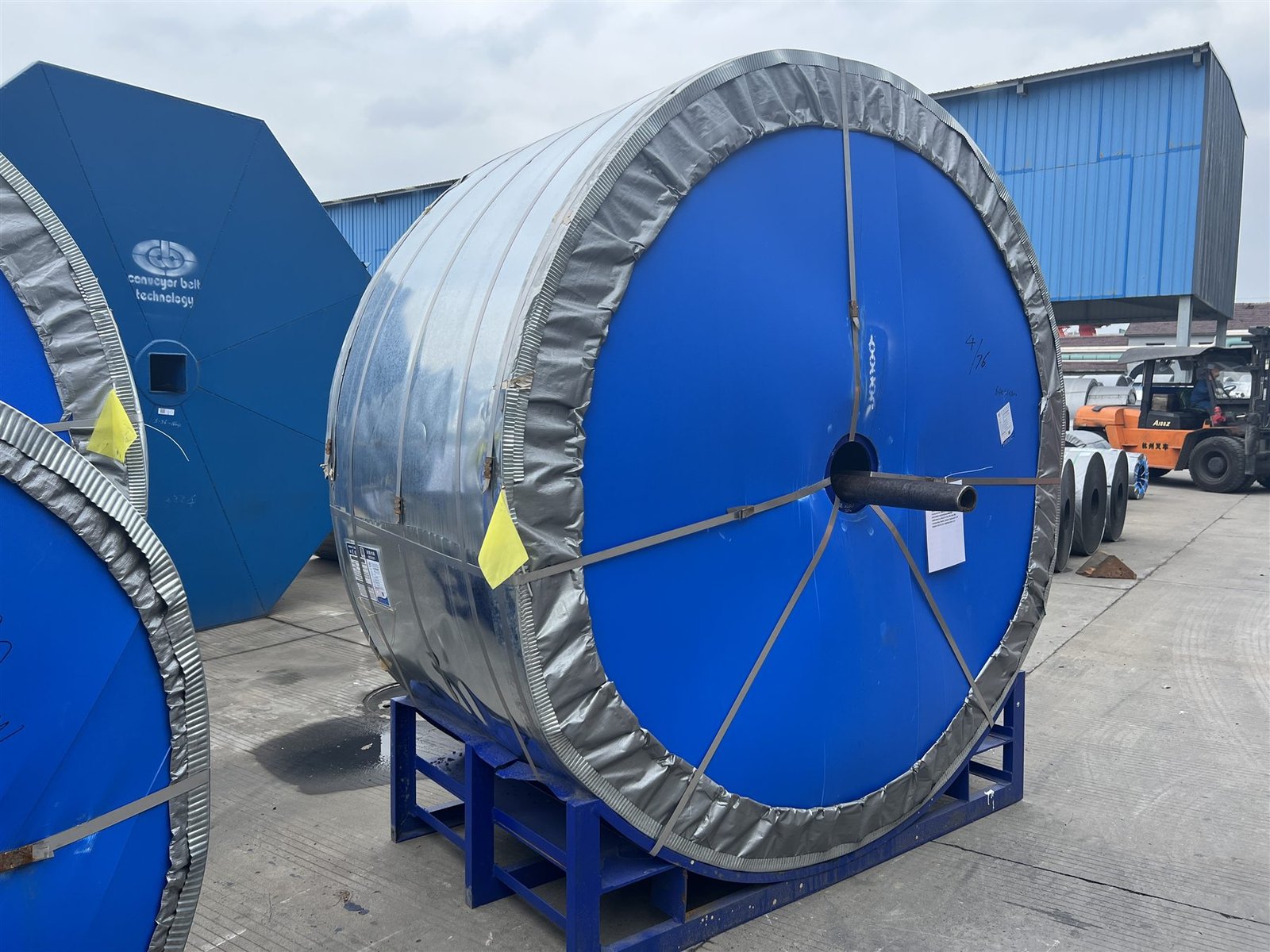
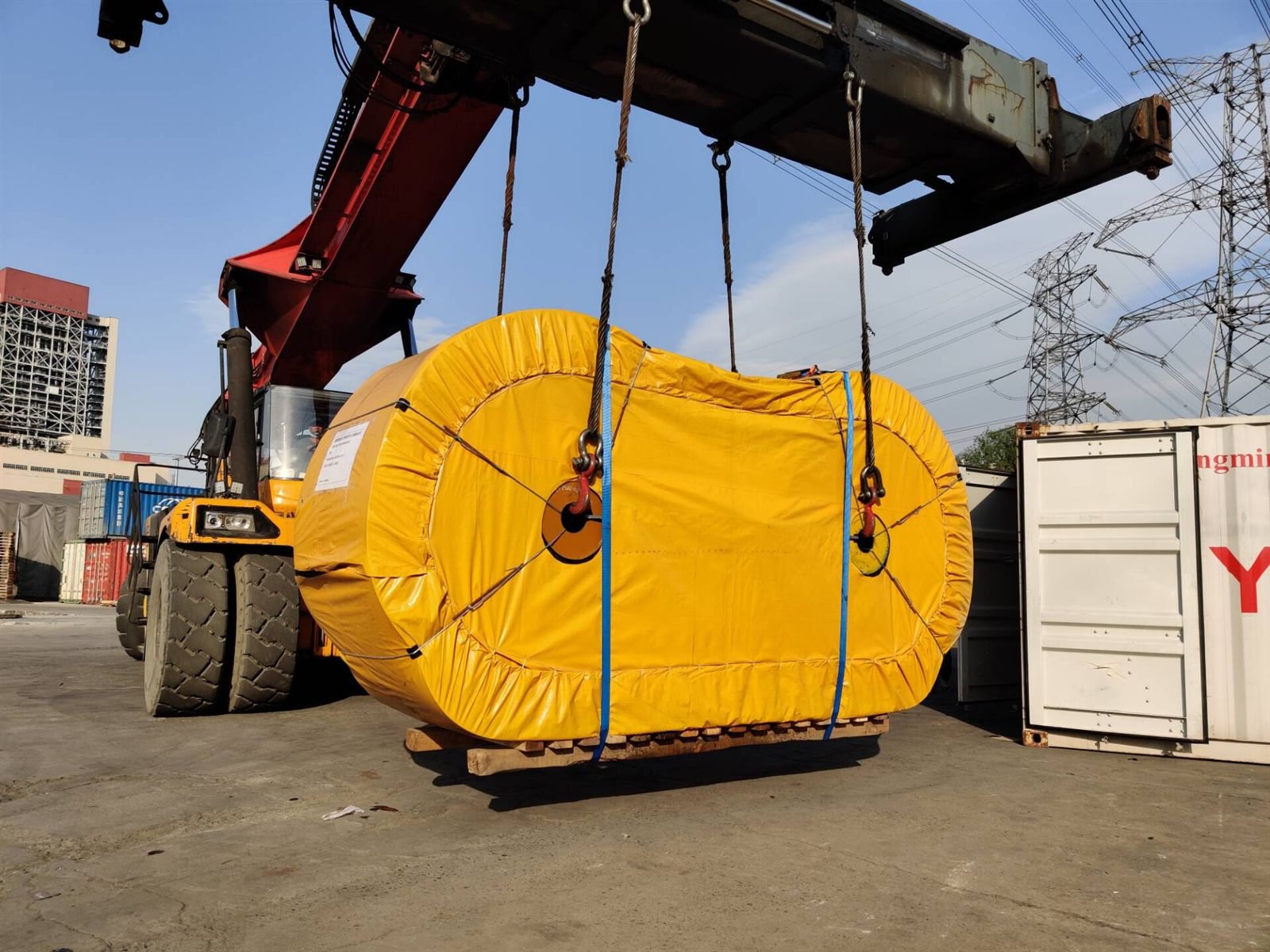
Packed for the journey — wooden case, steel-frame reinforcement or moisture protection as the part requires — with shipping documentation handled for you.
No Drawing? No Problem
Not every part order starts with a clean technical drawing. If your original part is discontinued, the drawing has been lost over the years, or you only know the equipment model, our engineers can still confirm a compatible replacement.
Send the worn original part, a few clear photos with a tape measure in shot, or just the equipment model and application — we'll take it from there and confirm dimensions before production starts.
In The Field
Common Questions
Sourcing material transport equipment for a plant outside this list, or need a drawing checked before you order? Send it across and we'll confirm fit and lead time.
Contact Us