Pyroprocessing
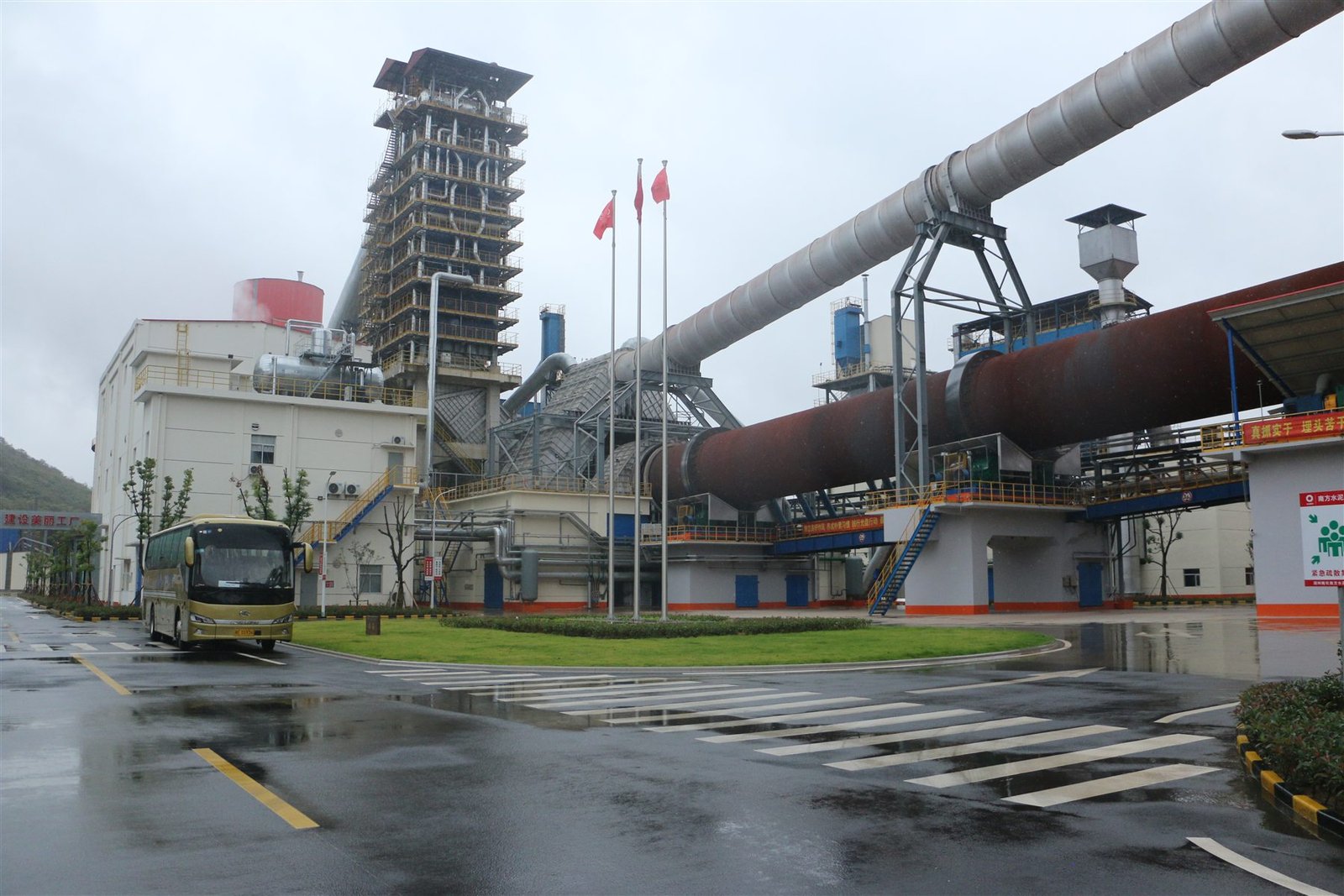
Support roller, girth gear, tyre and sealing components for the rotary kiln — the core of the pyroprocessing line.
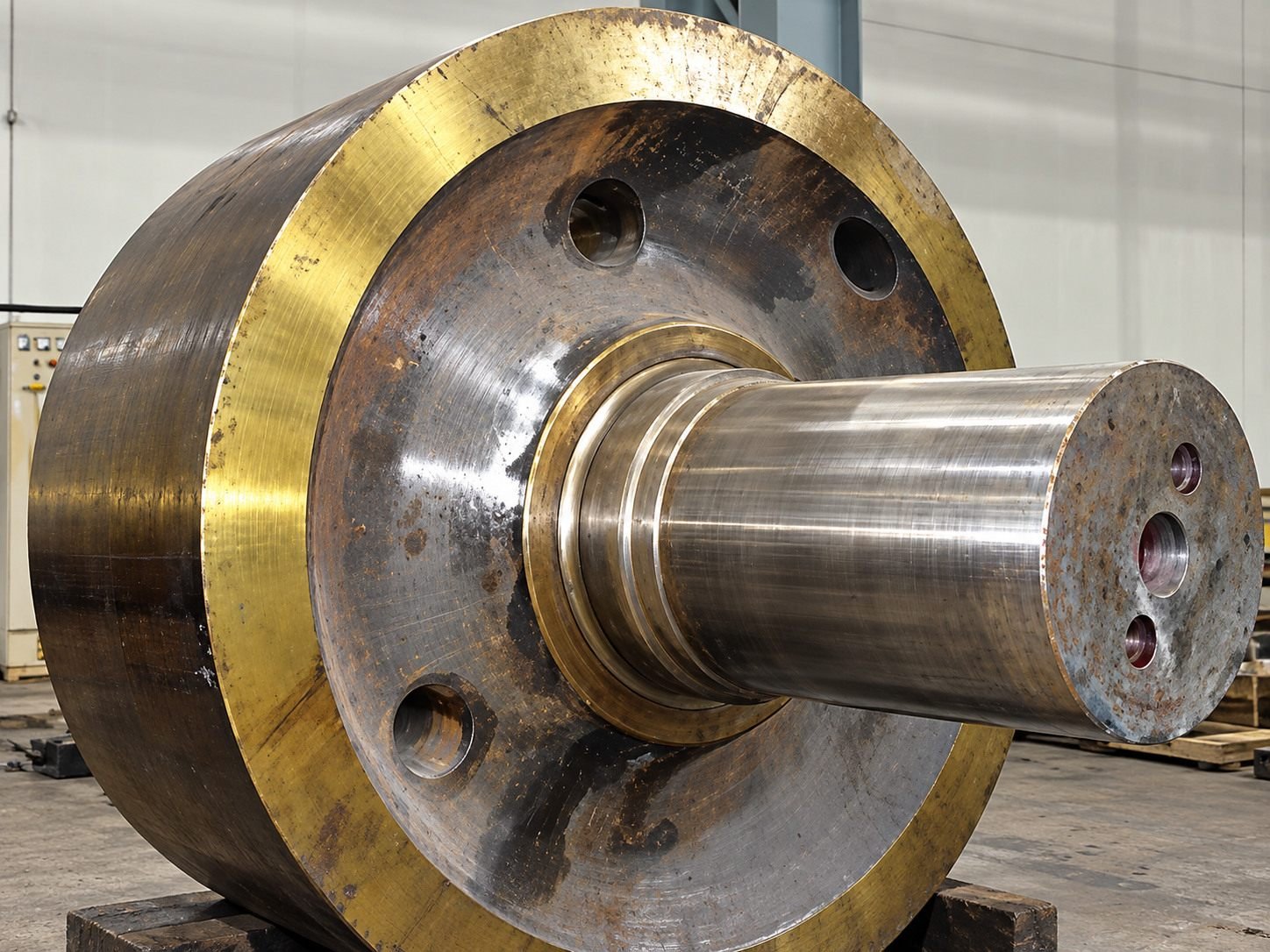
The kiln shell, tyres and support rollers carry the full running load of the pyroprocessing line, so fit and alignment matter as much as material quality. We supply these components engineered to the kiln's original geometry, along with the seals, thermocouples and drive components that keep the kiln running true.
A kiln that runs slightly out of alignment wears its tyres and rollers unevenly and puts extra load on the girth gear — so where we can, we ask for recent inspection data (roller contact pattern, shell ovality readings) alongside the model and drawing, since that tells us as much about which parts are due for replacement as the model number does.
A closer look at the parts we supply in this category — what each one does, and why it wears or matters the way it does.
Carry the full radial load of the rotating kiln shell; roller-to-tyre contact pattern is one of the first things worth checking when diagnosing uneven wear elsewhere on the kiln.
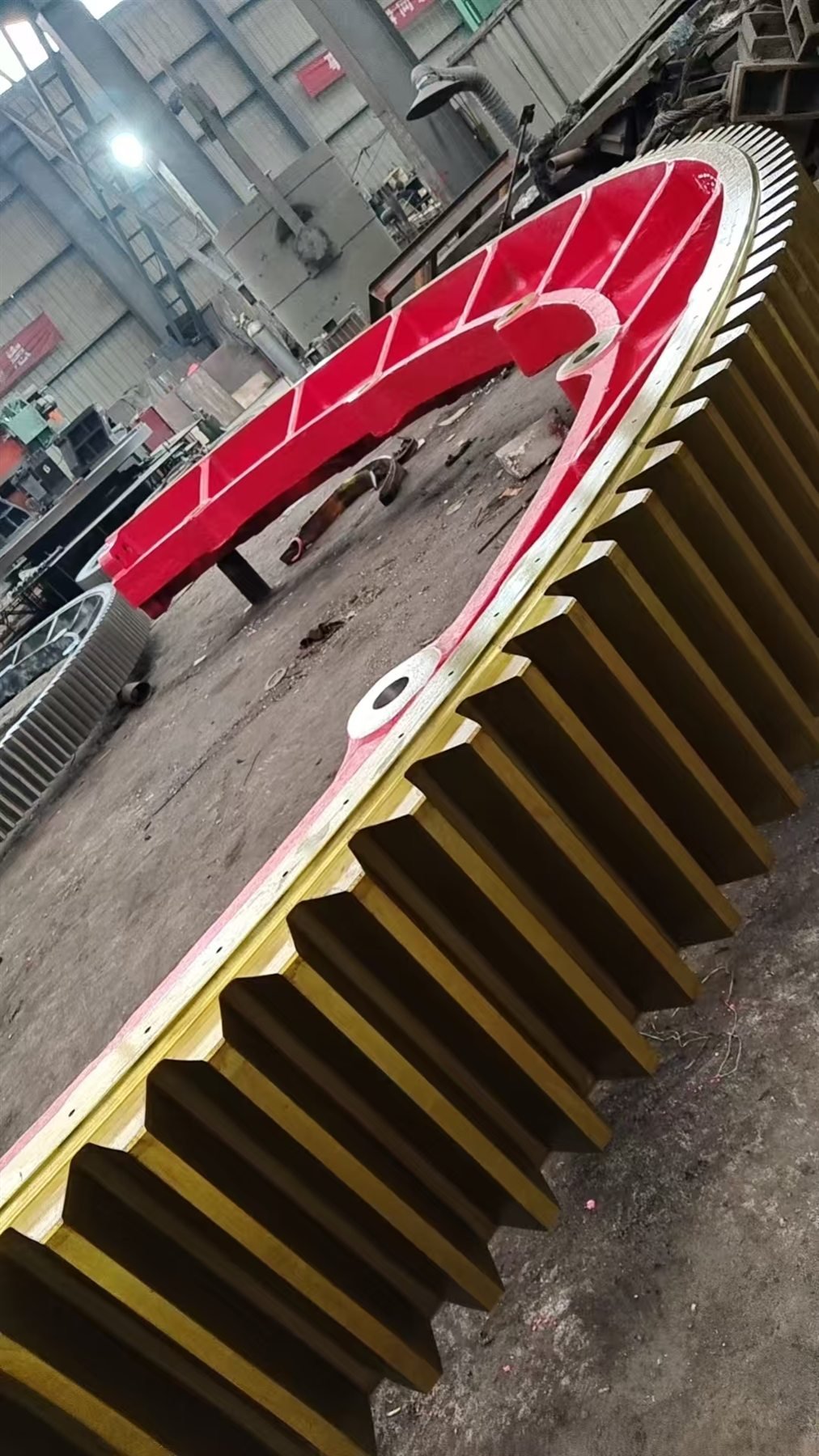
The main drive gear set that rotates the kiln shell; supplied as a matched pair machined to run true with your kiln's existing mesh and backlash settings.
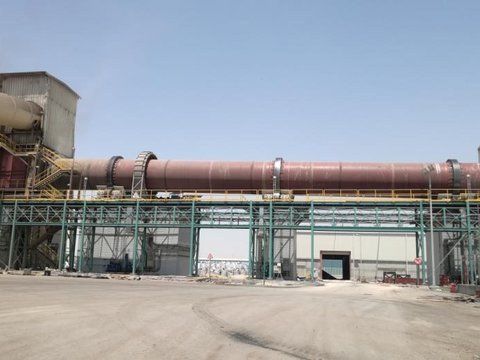
Rolled steel cylinder sections that make up the kiln body, supplied to the original diameter and thickness for sections requiring replacement due to wear or damage.
Large forged or cast steel rings that transfer the kiln shell's weight to the support rollers; tyre condition directly affects roller wear rate.
Control the kiln's axial (up/down-slope) position, keeping the shell centred against the support rollers.
Hold refractory brick lining in place inside the kiln shell at transition and discharge zones.
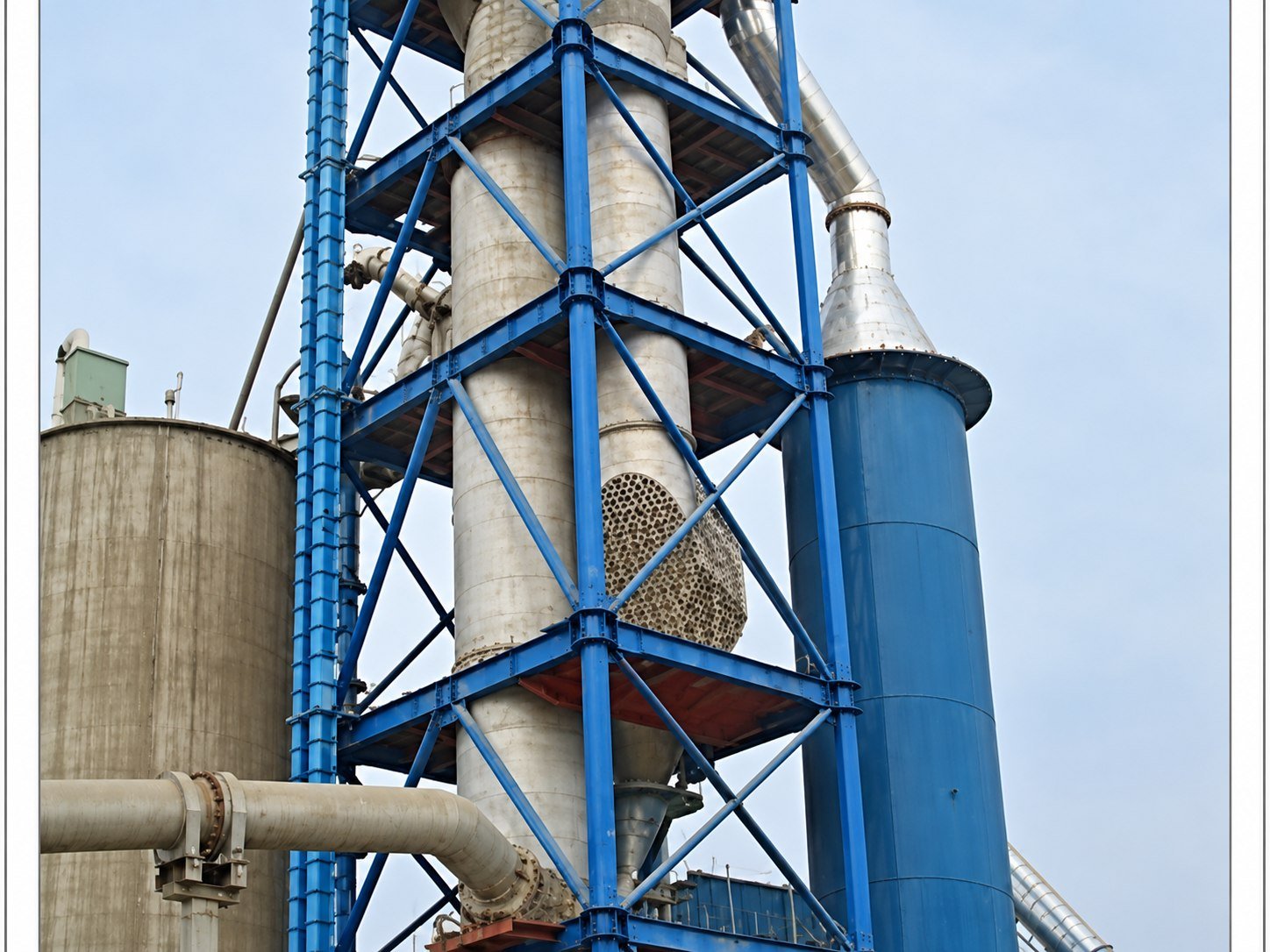
Direct material flow at the kiln inlet and the interface with the preheater tower.
Part of the kiln inlet/outlet sealing system, maintaining contact as the shell rotates and thermally expands.
Prevent false air ingress and dust escape at the kiln's rotating interfaces — leakage here costs both thermal efficiency and housekeeping.
Flexible drive connections used in some kiln support and thrust systems to accommodate thermal movement.
Monitor shell and process temperature at key points along the kiln — early warning for hot-spots that can indicate refractory wear.
Materials
Used for tyres, support rollers and girth gears, where fatigue strength under continuous rotating load is the main design driver.
For components exposed to elevated shell or gas temperatures near the kiln hood and discharge end.
Used in kiln inlet/outlet sealing systems, selected for temperature range and the specific sealing arrangement fitted to your kiln.
How Ordering Works
The same process whether you're ordering one wear plate or a full rebuild kit for rotary kiln parts.
A drawing, part number, nameplate photo, or the worn original part — any of these is usually enough to start.
Our team cross-references dimensions, tolerances and material against your equipment before quoting — not from a model number alone.
You get a clear price and delivery schedule, with material and specification confirmed in writing.
Parts are produced by our manufacturing partners and inspected against the confirmed specification before packing.
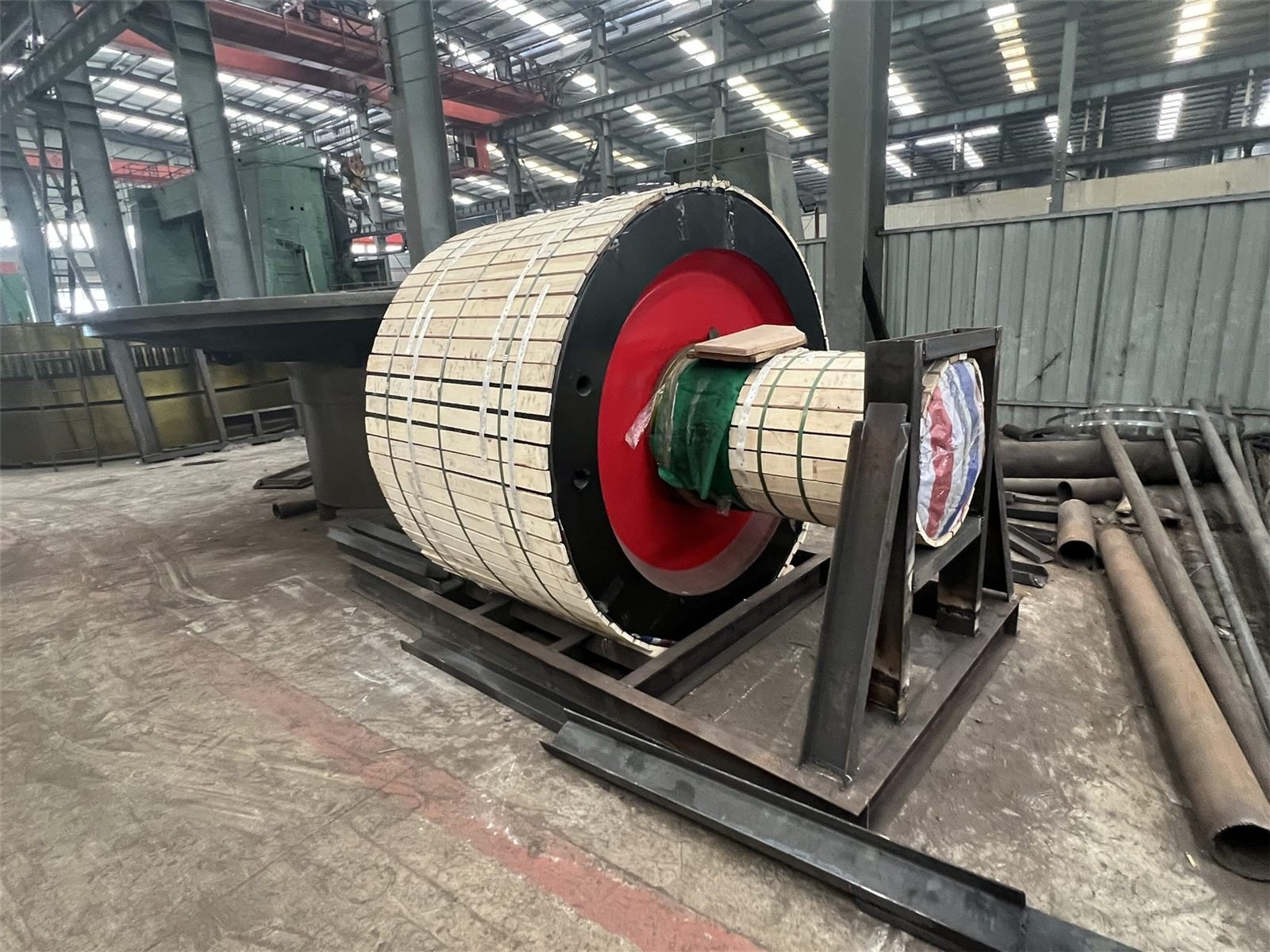
Packed for the journey — wooden case, steel-frame reinforcement or moisture protection as the part requires — with shipping documentation handled for you.
No Drawing? No Problem
Not every part order starts with a clean technical drawing. If your original part is discontinued, the drawing has been lost over the years, or you only know the equipment model, our engineers can still confirm a compatible replacement.
Send the worn original part, a few clear photos with a tape measure in shot, or just the equipment model and application — we'll take it from there and confirm dimensions before production starts.
In The Field
Common Questions
Sourcing rotary kiln parts for a plant outside this list, or need a drawing checked before you order? Send it across and we'll confirm fit and lead time.
Contact Us