Grinding
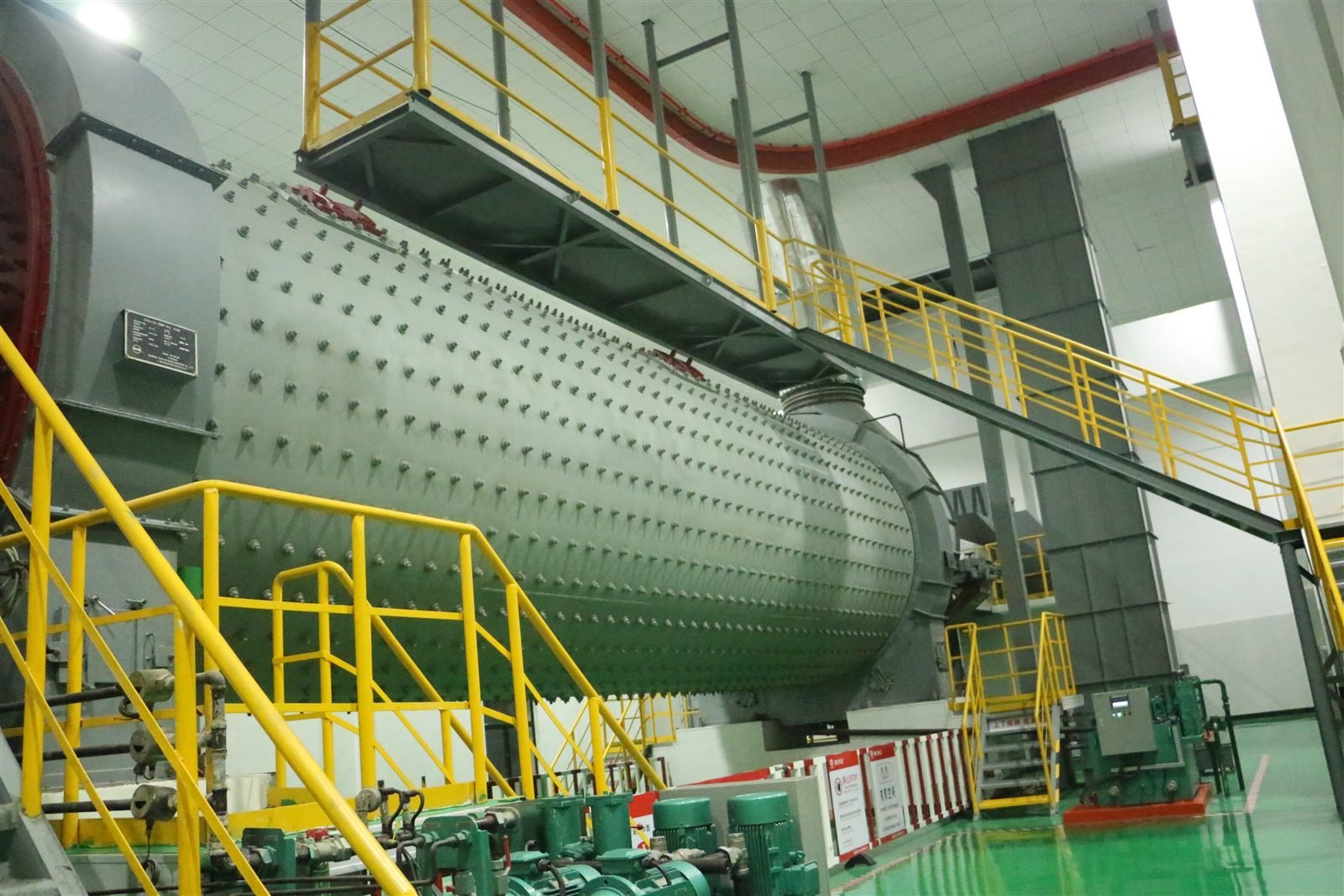
Liners, diaphragms and drive-end components for two- and three-chamber tube ball mills.
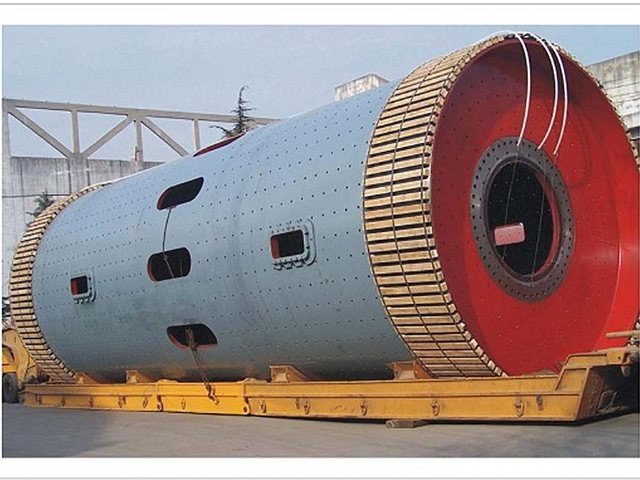
Liner wear is the main driver of grinding-efficiency loss in a tube mill, and diaphragm condition determines how well the chambers are separated. We supply liner sets, diaphragms and drive-end components matched to your mill's shell diameter and chamber layout.
Girth gear and pinion sets are available individually or as a matched pair, machined to run true with your mill's existing mesh and backlash settings. Because liner profile affects grinding media motion as much as raw wear resistance does, we ask what grinding media size and chamber length you're running before recommending a lifting-liner profile.
A closer look at the parts we supply in this category — what each one does, and why it wears or matters the way it does.
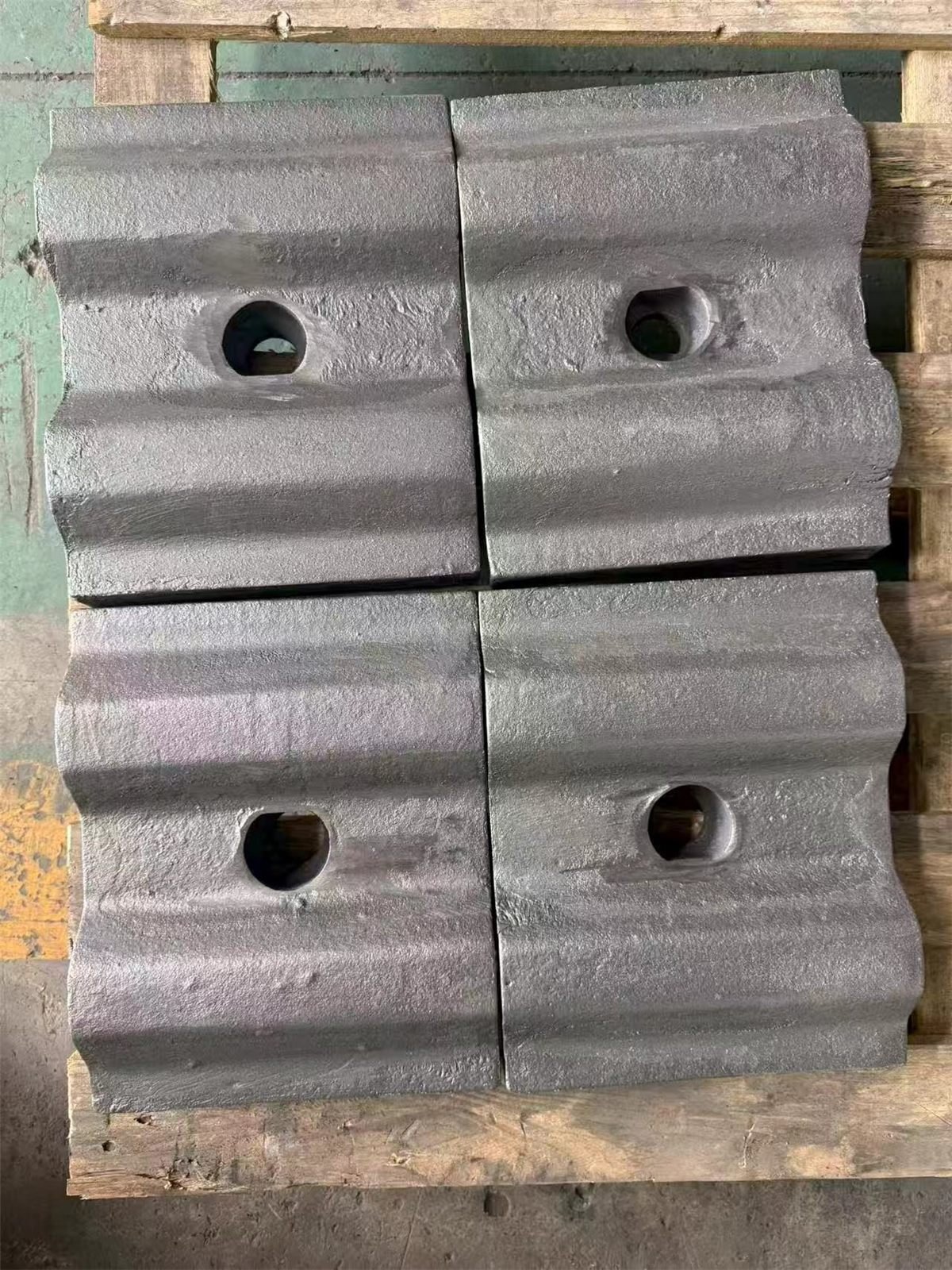
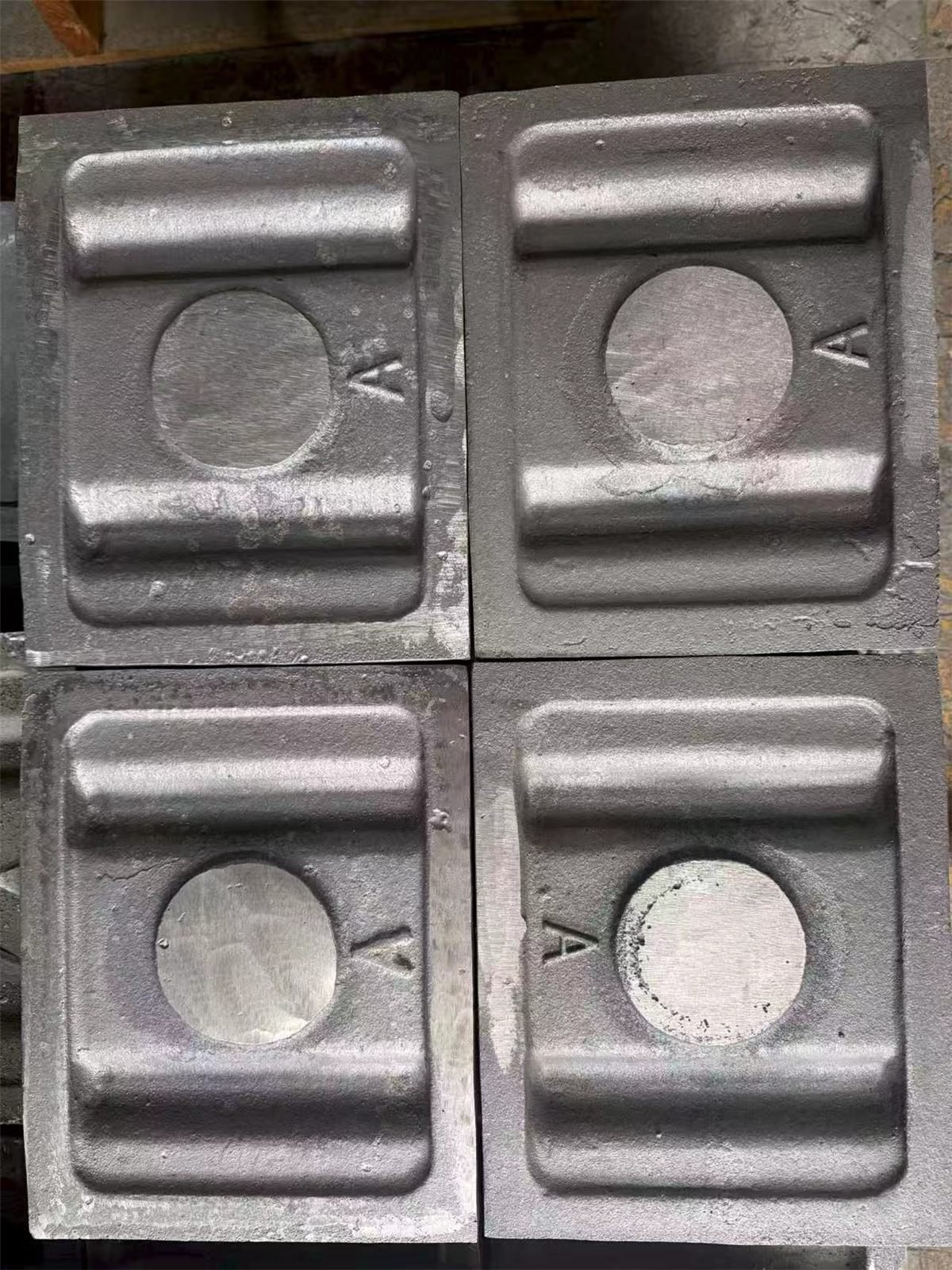
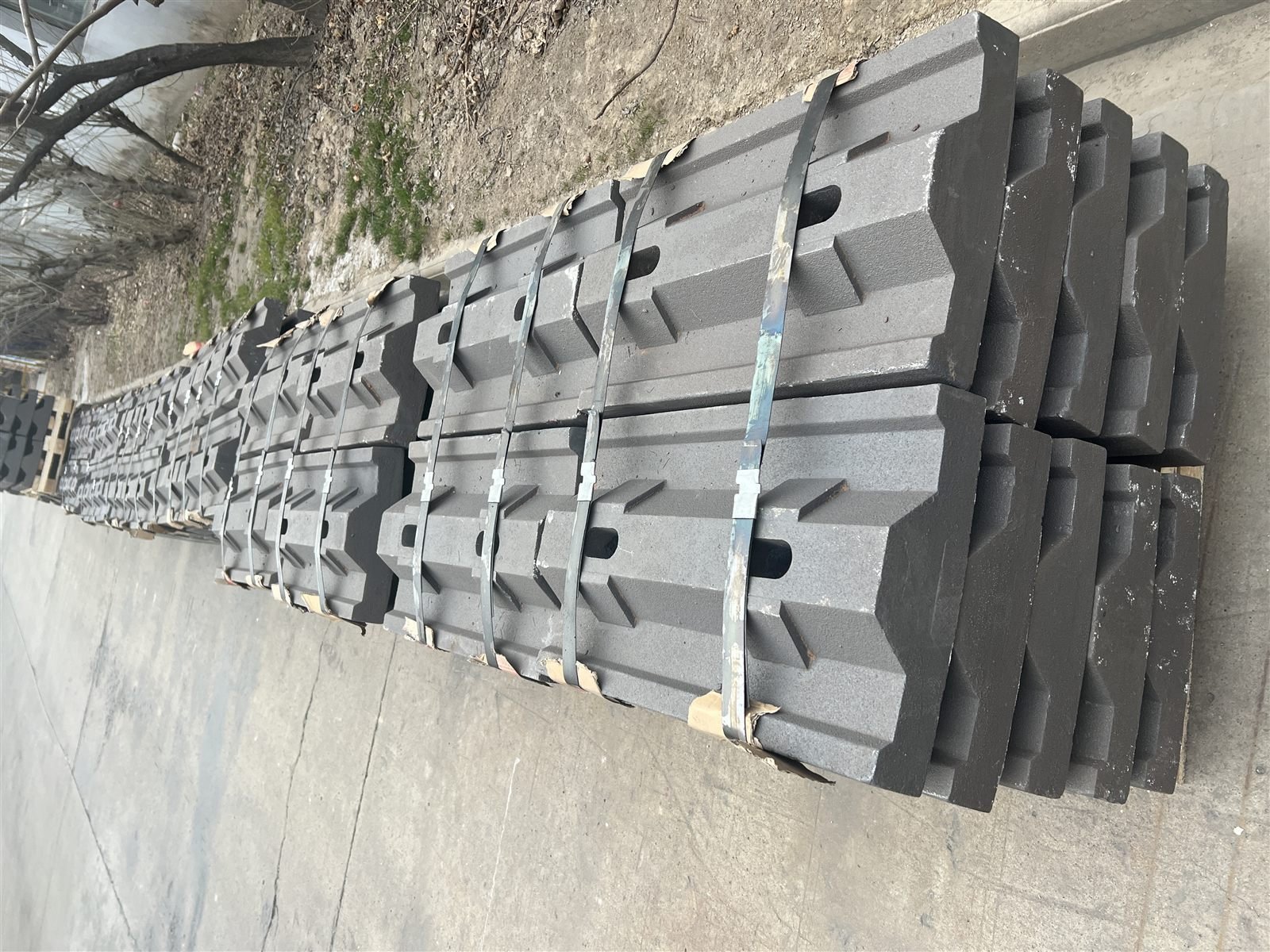
Protect the mill shell from grinding media impact and abrasion while shaping media motion; profile choice (wave, lifting, classifying) affects grinding efficiency as much as wear life.
Separate grinding chambers and control material flow between them; slot design affects both throughput and the fineness split between chambers.
Structural components that define chamber boundaries within the mill.
Support the mill shell at each end and allow material feed and discharge through the shaft bore.
The main drive gear set for the mill, supplied as a matched pair for correct mesh and backlash.
Protect the discharge end from wear as ground material and remaining media exit the mill.
Retain grinding media inside the mill while allowing ground product through to discharge.
Assist material movement at the mill inlet or discharge, depending on configuration.
Support bearing or trunnion assemblies where a self-aligning fit is needed.
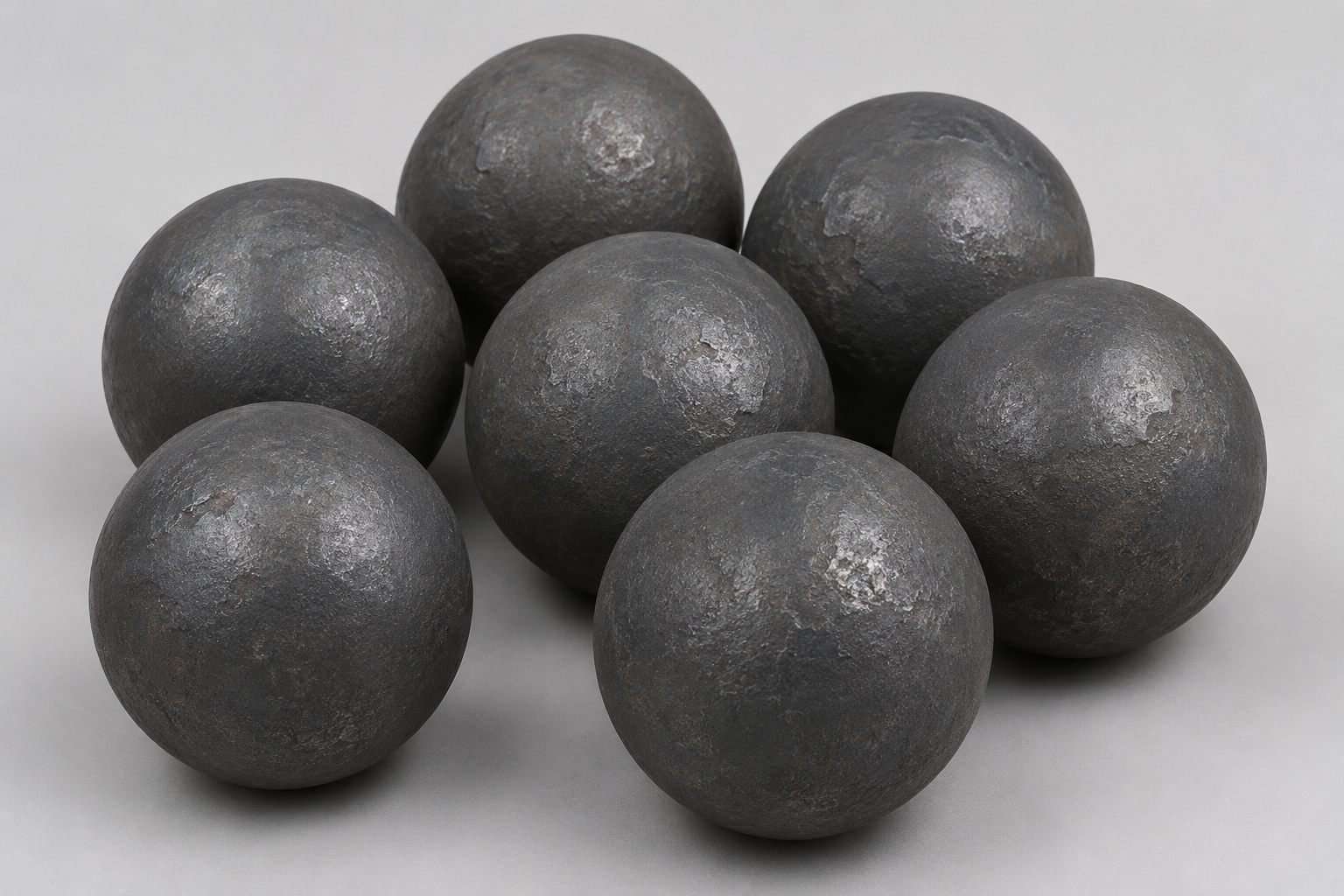
Lift grinding media within the chamber to improve grinding action, particularly in the coarse-grinding chamber.
Prevent material and air leakage at chamber and trunnion interfaces.
Connect the mill drive train between motor, reducer and mill pinion shaft.
Materials
The common choice for finish-grinding chamber liners, offering high abrasion resistance where impact loads are moderate.
Used where liners see higher impact loads, typically in the first (coarse-grinding) chamber.
For girth gears, pinions and trunnion shafts, where fatigue strength under continuous load is the priority.
How Ordering Works
The same process whether you're ordering one wear plate or a full rebuild kit for tube ball mill parts.
A drawing, part number, nameplate photo, or the worn original part — any of these is usually enough to start.
Our team cross-references dimensions, tolerances and material against your equipment before quoting — not from a model number alone.
You get a clear price and delivery schedule, with material and specification confirmed in writing.
Parts are produced by our manufacturing partners and inspected against the confirmed specification before packing.
Packed for the journey — wooden case, steel-frame reinforcement or moisture protection as the part requires — with shipping documentation handled for you.
No Drawing? No Problem
Not every part order starts with a clean technical drawing. If your original part is discontinued, the drawing has been lost over the years, or you only know the equipment model, our engineers can still confirm a compatible replacement.
Send the worn original part, a few clear photos with a tape measure in shot, or just the equipment model and application — we'll take it from there and confirm dimensions before production starts.
In The Field
Common Questions
Sourcing tube ball mill parts for a plant outside this list, or need a drawing checked before you order? Send it across and we'll confirm fit and lead time.
Contact Us