Grinding
Grinding rollers, tyres and separator components for vertical roller mills in raw, coal and cement grinding duty.
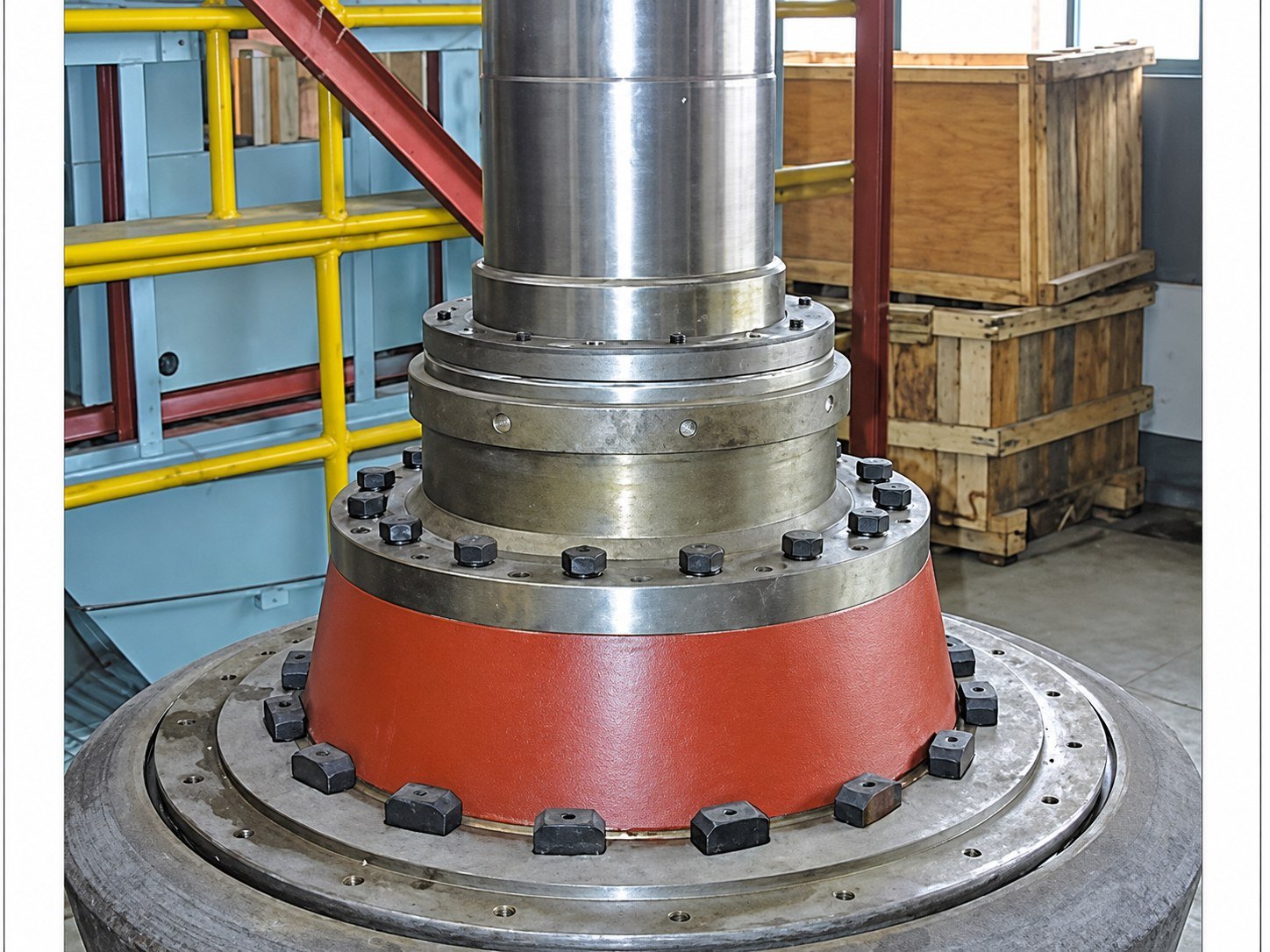
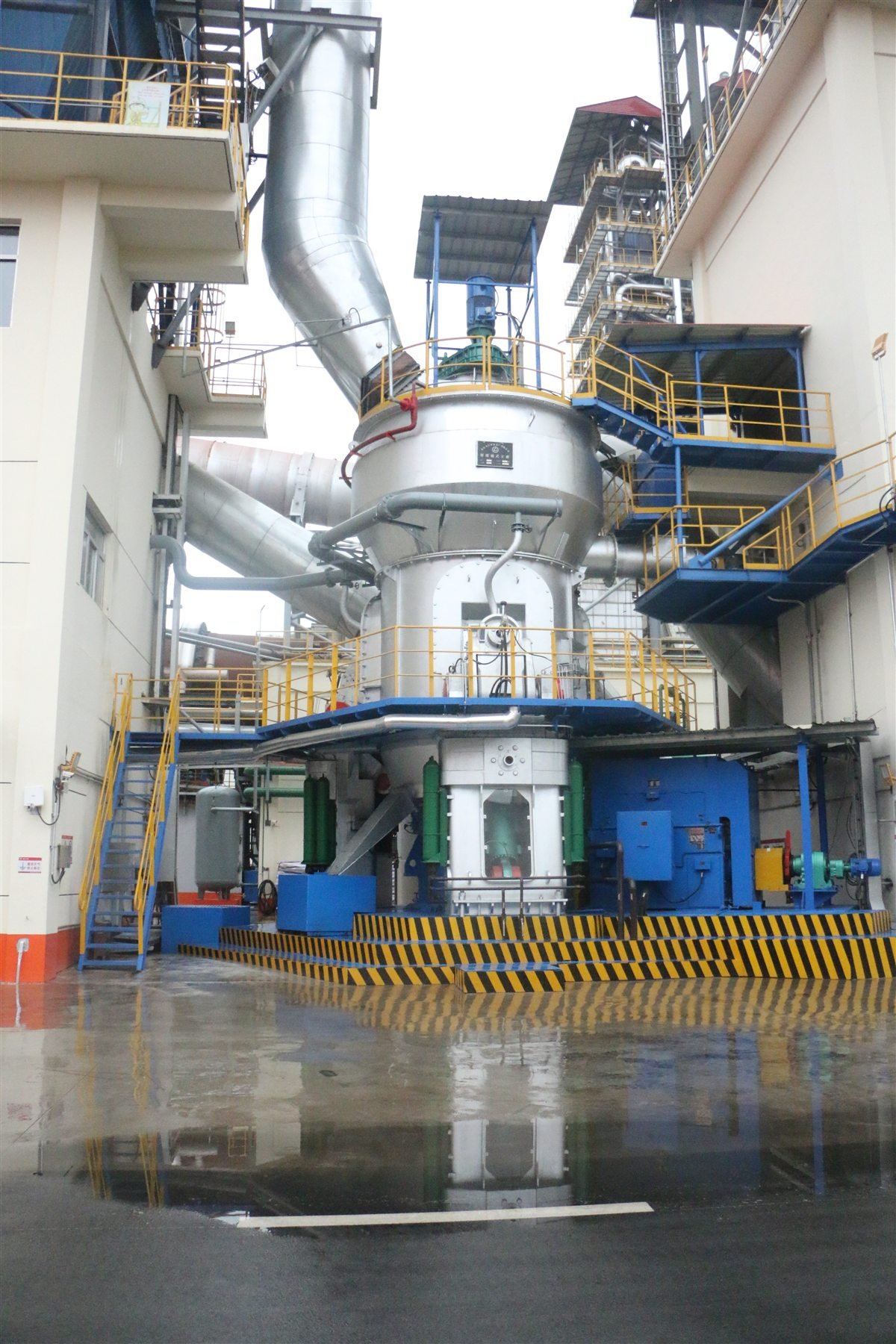
Grinding roller and tyre wear directly affects VRM throughput and power draw, so we supply these matched to your mill's table diameter and roller geometry, along with the hydraulic, sealing and separator components that keep the mill in balance.
Because VRM rollers are a major capital item, we confirm exact model, tyre profile and mounting dimensions against your drawings before quoting — not from model number alone. Hydraulic loading system condition is also worth checking alongside roller wear, since uneven grinding pressure accelerates tyre wear on one side of the table.
A closer look at the parts we supply in this category — what each one does, and why it wears or matters the way it does.
The primary wear component in a VRM; tyre profile and hard-facing overlay are matched to your mill model and material being ground.
Direct material flow across the grinding table toward the roller path.
Bearing bushings within the roller arm assembly.
Apply and control grinding pressure on the rollers; condition directly affects grinding efficiency and even roller wear.
Support roller and reducer shafts under heavy, continuous radial load.
Protect the roller body from wear where the hard-facing surface has been fully consumed.
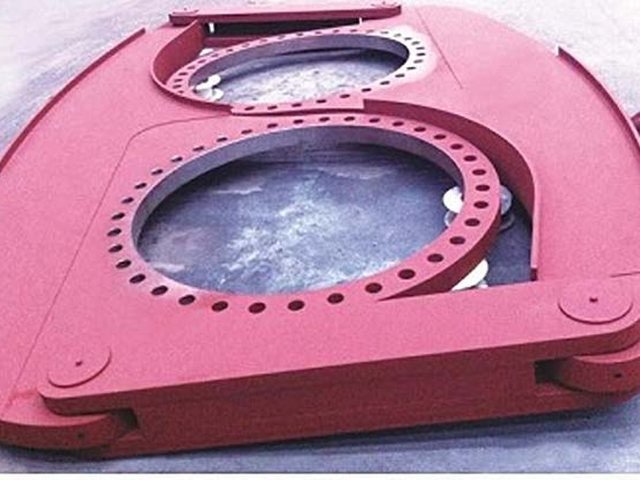
Transfer hydraulic loading force to the roller assembly.
Classify ground product by fineness, returning oversize material to the grinding table; liner wear affects classification sharpness.
Carry the grinding roller and transmit reaction forces to the roller arm.
Absorb axial thrust loads from the mill's main reducer.
Manage material flow at the table edge and prevent material buildup.
Prevent leakage at the mill housing and at thin-oil / high-pressure oil stations supplying the hydraulic loading system.
Materials
The standard construction for grinding roller tyres — a wear-resistant surface layer over a tough structural core.
Used for table liners and guide plates exposed to sliding abrasion from the material bed.
Selected for the specific temperature and pressure conditions of your mill and thin-oil or high-pressure oil station.
How Ordering Works
The same process whether you're ordering one wear plate or a full rebuild kit for vertical roller mill parts.
A drawing, part number, nameplate photo, or the worn original part — any of these is usually enough to start.
Our team cross-references dimensions, tolerances and material against your equipment before quoting — not from a model number alone.
You get a clear price and delivery schedule, with material and specification confirmed in writing.
Parts are produced by our manufacturing partners and inspected against the confirmed specification before packing.
Packed for the journey — wooden case, steel-frame reinforcement or moisture protection as the part requires — with shipping documentation handled for you.
No Drawing? No Problem
Not every part order starts with a clean technical drawing. If your original part is discontinued, the drawing has been lost over the years, or you only know the equipment model, our engineers can still confirm a compatible replacement.
Send the worn original part, a few clear photos with a tape measure in shot, or just the equipment model and application — we'll take it from there and confirm dimensions before production starts.
In The Field
Common Questions
Sourcing vertical roller mill parts for a plant outside this list, or need a drawing checked before you order? Send it across and we'll confirm fit and lead time.
Contact Us